Summer Allergies- Foods That Help and Hurt
July 9, 2026
Seasonal allergies can make it hard to enjoy everything summer has to offer, but did you know your diet may help influence how severe your symptoms feel? Registered dietitian Amy Crum explains how nutrition can support a healthier immune response and help calm inflammation during allergy season. She shares the best foods to include, which foods may make symptoms worse, the role of histamine, and key supplements that may provide natural allergy support.
Listen below, or subscribe to our podcasts through Apple Podcast or Spotify.
Join our Dishing Up Nutrition Facebook Community!
A private, supportive space to ask questions, share ideas, and get bonus content from our nutrition team.
Similar Podcast Episodes
Similar Articles
Transcript
Amy: Hello everyone and welcome to “Ask a Nutritionist”, our weekly mini episode of Dishing Up Nutrition. I'm Amy Crum, a Registered Dietitian with Nutritional Weight & Wellness. And today we're talking about a topic that affects many people every year: summer allergies. If you've ever found yourself sneezing through a beautiful summer day, dealing with itchy eyes at a picnic, or feeling congested during your favorite outdoor activities, you're definitely not alone.
The good news is that while diet alone might not cure seasonal allergies, what you eat does influence your immune system, inflammation levels, and even how severe your symptoms feel. So let's dive in.
Why do allergies get worse in the summer?
First, let's answer the question: why do allergies get worse in the summer? Summer allergies occur when your immune system overreacts to substances in the environment that are normally harmless. During the summer months, common triggers include grass pollen, weed pollen, mold spores and outdoor molds that thrive in warm humid weather.
When these allergens enter your body through your nose, your mouth, or your eyes, your immune system mistake them for dangerous invaders. In response, your body releases chemicals called histamines. Histamines are responsible for many classic allergy symptoms like sneezing, runny nose, nasal congestion, itchy eyes, scratchy throat, and fatigue.
Foods that help fight symptoms of summer allergies
Often my clients are surprised to learn that their diet can play an important role in helping calm that inflammation and support a healthy immune response. So often we're told the only solution to allergies is medication, but the food you eat can make a difference in improving your allergy symptoms.
So let's start with the foods that help fight symptoms of summer allergies. Brightly colored fruits and vegetables contain antioxidants that help combat that inflammation and oxidative stress. They're also rich in vitamin C, which may naturally help reduce histamine levels.
Try adding foods like blueberries, broccoli, mangoes, and bell peppers to your daily meals to get that vitamin C in. Another food to add in is fatty fish. Omega-3 fats are known for their anti-inflammatory effects, which is why you might have heard of supplementing omega-3s to reduce inflammation. Excellent sources of omega-3s are salmon, sardines, mackerel, and herring. And these healthy fats may help calm an overreactive inflammatory response and support overall immune health.
Next are cooking staples, onions and garlic. These foods are great for adding rich flavors to meals, but also have bioactive compounds that decrease the inflammation in your body. Onions contain a plant compound called quercetin. Quercetin has been studied for its ability to stabilize mast cells, which are the immune cells that release histamine during allergic reactions.
Foods rich in quercetin are red onions, yellow onions, apples, capers, and berries. Garlic also provides sulfur compounds that support immune function and overall health. Certain foods can be especially helpful when symptoms are already flaring. It might be counterintuitive in the summer, but for some people, warm broth based soups can be helpful to loosen mucus, soothe irritated airways, improve hydration, and provide nutrients when you're not feeling your best.
Adding garlic, onions, vegetables, and herbs can give you that additional nutritional boost. It's important to note you really want to pay attention to how you react with different foods. A lot of people find broths helpful to relieve symptoms, but because bone broths are cooked for a long time to break those proteins in the meat down, histamines are formed. So if you find symptoms getting worse after drinking broth, it would be something I would avoid. We'll talk more about high histamine foods later in this episode.
Another food that can be helpful to reduce allergies is pineapple. Pineapple contains an enzyme called bromelain. Research suggests that bromelain may help support sinus health and reduce swelling in nasal passages. Fresh pineapple is typically the best source, and this is another one you want to pay attention to your own symptoms. For some people, pineapple can be a histamine liberator, meaning it causes your body to release extra histamines. So if your symptoms get worse with pineapple, I would avoid it.
Ginger is another food that has natural anti-inflammatory properties, and you can add fresh ginger to tea and smoothies, soups and stir fries. A warm ginger tea can be particularly soothing when you're congested or have a scratchy throat.
We also want to put a focus on hydrating foods. During summertime, it's common to eat more hydrating foods like fruits and vegetables. Keeping the body hydrated helps keep mucus thinner and easier to clear. Foods with high water content include watermelon, cucumbers, celery, apples, and pears.
And don't forget that plain water as well. If want to add some flavor to it, I like to recommend our NutriKey Key Greens and Fruits powder for a refreshing summertime alternative to lemonade or Kool-Aid. Each scoop of powder packs in the antioxidant equivalent to 20 servings of fruits and vegetables.
There's a special immune support option that's passion fruit flavored and perfect for summer. It contains a boost of quercetin, elderberry, and zinc for extra immune support on top of all those antioxidants. I like to make these into popsicles for my kids or mix it into their water bottles for busy summer activities to keep them hydrated.
Foods to avoid during allergy season
Now let's discuss food you should avoid that may not be your friend during allergy season. You may have heard of a low histamine diet. The overall theme of high histamine foods are foods that have been aged on purpose, like fermented foods, vinegars, sour foods, cured or smoked meats and fish, aged cheeses, and dried fruits.
Histamines also form from cooking foods and not eating them right away, as in the case of leftovers. If you want to utilize leftovers while avoiding excess histamines, the best option is to freeze them right after you cook them, then heat them up again right before you're ready to eat.
During summertime, we tend to eat more fresh foods, which works really well to naturally avoid histamines. In general, histamine content increases with foods as they age or spoil. But not to worry, not all allergy sufferers need to follow a strict antihistamine diet. But it may be something to consider if your symptoms are more severe or unmanageable. In this case, I would highly recommend meeting with a dietitian as following a low histamine diet can be overwhelming to try and figure out on your own.
We also have a couple of great Dishing Up Nutrition episodes that dive deeper into a low histamine diet that you can give a listen to. One episode I would point to is from our dietitians Mel and Britni in October of 2025, Histamine Intolerance, or a mini episode from Alyssa in May of 2025, Do High Histamine Foods Trigger Allergies? if want to listen and find out more about histamine intolerance.
For the general population of allergy sufferers, the biggest group of foods to avoid are highly processed foods. Foods high in refined sugar and ultra processed oils contribute to inflammation and dampen that immune response. Examples are soda and sugary drinks, candy, pastries, fast food, and those packaged snack foods.
These foods don't directly cause allergies, but they do promote a more inflammatory environment in the body. For example, high sugar intake weakens the immune system and increases inflammatory markers. During summertime, there tends to be sugar everywhere you go, so it's important to plan meals and snacks ahead of time on those long, busy summer days.
Similarly, alcohol tends to be more commonly available during summertime social activities, but alcohol can be especially problematic for allergy sufferers. Here's something to pay attention to: almost all alcoholic beverages trigger the body to release histamine, especially beer, red wine, sparkling wine, liquors, and aged spirits like whiskey and rum.
You may have noticed if you drink alcohol, you get symptoms like congestion, headaches, runny nose, or red inflamed skin. So if you are really trying to tackle those summer allergies, avoiding alcohol is the best option.
Some people might also notice that dairy foods make their allergies flare up. Dairy products can increase mucus production and inflammation for some people, worsening nasal congestion and postnasal drip. So it might be worth experimenting by cutting out all dairy for a couple weeks and see if you notice some improvements.
You also may have noticed that you have an oral immune reaction to some specific foods, like itchiness in and around the mouth, tinkling lips, and a scratchy throat. This is called an oral allergy syndrome, which occurs when certain proteins and foods resemble proteins found in pollen.
Common examples include if you're allergic to grass pollen, you might react to melons, tomatoes, and oranges. If you're allergic to ragweed pollen, you may react to bananas, melons, zucchini, and cucumbers. If you've noticed your mouth feeling itchy after eating certain produce during allergy season, it might be worth discussing with your dietitian.
Supplement considerations for seasonal allergies
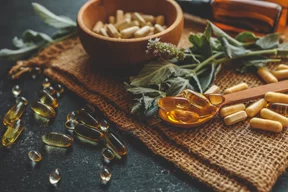
You may be wondering about supplements for seasonal allergies. Maybe you've tried those over-the-counter meds that cause side effects, or you just want a more natural approach. Even if you eat well and avoid common dietary triggers, supplements can be highly beneficial to get through the season.
We usually first recommend a supplement called D-Hist by Ortho Molecular. It combines quercetin, bromelain, stinging nettle, vitamin C, and N-acetylcysteine, and acts as a natural antihistamine, reducing histamine release and inflammation in the body. It helps calm the immune system's overreaction to allergens.
We often hear from clients that D-Hist is the most effective supplement to take during high allergy season to keep their symptoms at bay. And it also comes in a junior option for kids. Another option is Sinatrol, and that targets inflammation associated with inflamed sinuses like pain, congestion, and postnasal drip. It works by thinning mucus to clear airways and reduce overall sinus inflammation with key ingredients like N-acetylcysteine, bromelain, turmeric, and licorice root extract. So if your symptoms are more sinus related, I would recommend giving Sinatrol a try.
In general, I also recommend a daily omega-3 fish oil to support a healthy inflammatory response and overall immune function, as well as probiotics with bifidobacterium like Bifido Balance. We know that supporting gut health is key to boost immune function and fighting allergies. You can learn more about all these helpful supplements on our product website, nutrikey.net.
Wrapping it up
In wrapping up today's discussion, allergies can make it difficult for many to fully enjoy the summer season. But nutrition and some key supplements can be a valuable tool in your allergy management toolkit. If you're struggling getting through this time of year, and keeping your health goals on track, come meet with me or one of our other dietitians at Nutritional Weight & Wellness. Visit our website to learn more at weightandwellness.com or give us a call at 651-699-3438. Thanks, and I'll talk to you next time.
Share this Podcast
Upcoming Podcast Episodes:
October 12: Chef Marrianne’s Guide to Healthy Crockpot and Instant Pot Cooking
October 19: MCAS and Histamine Intolerance, From Symptoms to Support
October 26: The Sleep-Cravings Connection