Quick answer: Most adults need about 30 grams of fiber a day, but the average American gets closer to 15. Fiber supports blood sugar balance, cholesterol levels, gut health, and satiety. The best sources are low-starch vegetables, fruits, nuts, seeds, and legumes — not cereal boxes. Building up gradually, with plenty of water, prevents digestive discomfort.
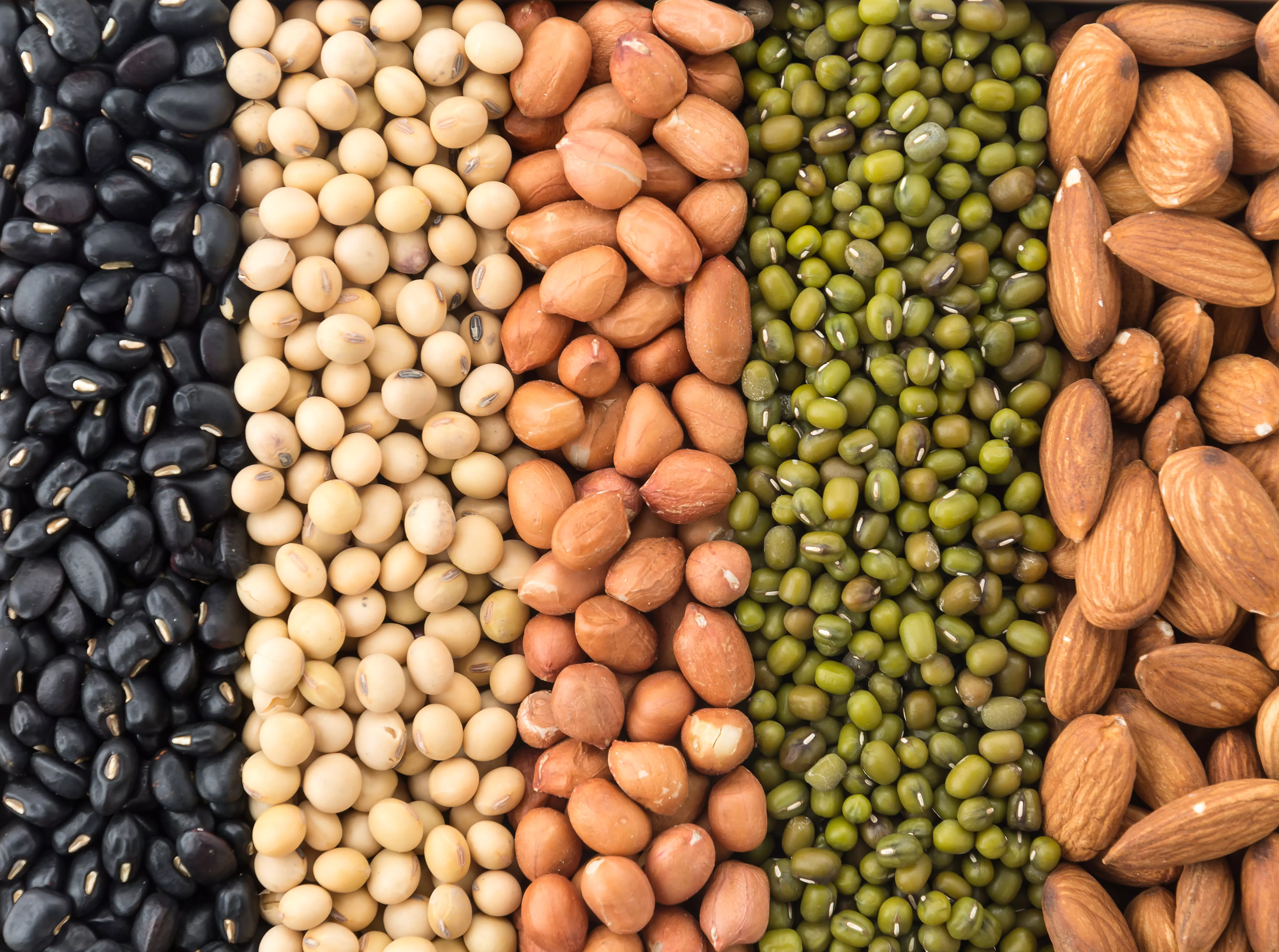
Fiber is having a moment. It's showing up on food packaging, in doctor's office conversations, and all over social media. But unlike a lot of nutrition trends, this one has staying power, because dietary fiber intake touches nearly every system in the body. Registered dietitians Leah Kleinschrodt and Teresa Wagner dug into the topic on a recent episode of our Dishing Up Nutrition podcast, and their conversation is a good reminder that most people are getting far less fiber than they think.
Here's what fiber actually does in the body, why it's worth paying attention to, and practical ways to close the gap between where your fiber intake is now and where it needs to be.
What Is Dietary Fiber, Exactly?
Fiber is the indigestible part of plant foods, the part your body cannot break down and absorb the way it does protein, fat, or most carbohydrates. Because of that, fiber behaves differently than other nutrients as it moves through the digestive tract, and that's exactly what makes it so valuable.
There are two main types of fiber found in plant foods: soluble and insoluble. Most whole plant foods contain a combination of both.
Soluble fiber
Soluble fiber dissolves in water and forms a gel-like material that absorbs moisture as it moves through the GI tract. Think of how a chia seed turns gelatinous when it's soaked in liquid. That gel acts almost like glue, holding stool together so it can move smoothly through the digestive system. Soluble fiber also binds to dietary cholesterol and helps carry it out of the body through stool, which is part of why it's tied to healthier cholesterol levels.
Insoluble fiber
Insoluble fiber does not dissolve in water and stays mostly intact as it travels through the digestive system. Instead, it adds bulk to stool and helps move waste through the digestive tract more efficiently. Think of insoluble fiber as roughage in foods like broccoli or celery.
Understanding the difference between soluble and insoluble fiber matters because they support the body in different ways, and a healthy diet includes both.
Why Fiber Is Suddenly Everywhere
A few things are driving fiber's rise from background nutrient to headline topic.
Growing interest in digestive health
The first is growing interest in the gut microbiome. The intestines are home to trillions of bacteria, and many of the beneficial strains rely on fiber as their food source. When those bacteria ferment fiber, they produce short chain fatty acids, compounds shown to support the intestinal barrier, help regulate immune function, and support glucose and appetite regulation.¹
Popularity of GLP-1 Medications
The second driver is the popularity of GLP-1 medications. People using these medications are learning that fiber can support digestion, bowel regularity, blood sugar balance, and satiety, all of which matter because constipation and sluggish digestion are common side effects of GLP-1s.
That said, fiber intake on a GLP-1 needs to be fine-tuned to the individual — there's no GLP-1-specific fiber target, so standard recommendations still apply.² Since these medications already slow digestion, too much fiber introduced too quickly can compound digestive discomfort rather than relieve it.²
Common strategy across all diet camps
And maybe the simplest reason fiber keeps showing up: it's one of the few nutrition strategies that nearly every diet camp agrees on. Whatever else people disagree about, increasing fiber intake consistently shows up as a benefit across a wide range of health outcomes.
How Much Fiber Do You Actually Need?
For most adults, the general recommendation is around 30 grams of dietary fiber consumption per day. The average American gets closer to 16 grams, roughly half of what the body needs, and some data suggests it's even lower: one nationally representative analysis found only 5% of men and 9% of women actually hit their target.³,⁴
If that 30-gram target feels hard to grab, break it down by meal. If you're eating three meals a day, that's roughly 10 grams of fiber per meal to hit the daily total. Add a snack into the mix and it's closer to 7 to 8 grams per meal. There's no magic in the number 30 specifically. It's simply a reasonable target to build toward, and some days you'll land above it and some days below.
The most useful exercise for figuring out where you actually stand is tracking. Eating the way you normally eat and logging fiber grams for a few days, whether on paper or in an app, tends to be eye-opening. Even people who feel like they're eating plenty of fruits and vegetables are often surprised by how low their actual dietary fiber intake is once they see it written down.
The Health Benefits of a High Fiber Diet
Fiber used to be discussed almost exclusively in terms of keeping people regular. That's still true, but research shows fiber's reach extends well beyond digestion and provides many other health benefits. Higher fiber intake is associated with better blood sugar control, lower cholesterol levels, improved gut health, reduced cardiovascular disease risk, lower colon cancer risk, better appetite regulation, and improved metabolic health overall.
A 2019 meta-analysis in The Lancet, drawing on 185 studies and 58 clinical trials covering 135 million person-years of data, found that adults consuming 25–29 grams of fiber daily had 15–30% lower all-cause mortality and 16–24% lower rates of coronary heart disease, stroke, type 2 diabetes, and colorectal cancer compared to those eating the least.⁵
Blood sugar balance.
Fiber slows digestion, which means glucose enters the bloodstream more gradually after a meal. That helps prevent the dramatic blood sugar spikes and crashes that can drive cravings and energy dips throughout the day. Fiber works alongside protein and healthy fats as one of the key anchors that keeps blood sugar stable after eating.
Heart health.
Soluble fiber binds to cholesterol in the digestive tract and helps carry it out of the body, and higher fiber intake is associated with lower cardiovascular risk. It's worth noting, though, that association isn't the same as causation. People who eat more fiber also tend to engage in other health-supportive behaviors: they're less likely to smoke, more likely to exercise, and more likely to choose other heart-healthy foods.
Satiety and appetite regulation.
Fiber takes up physical space in the stomach and slows digestion, both of which help people feel satisfied longer after eating. Compare that to quick or ultra-processed carbohydrates, which tend to break down into sugar fast, deliver a burst of energy, and leave you hungry again shortly after. Meals built around protein, fat, and fiber-rich carbohydrates hit that "stop eating" signal in a way that fiber-poor meals often don't.
Digestive regularity and colon health.
This is fiber's most well-known role, and for good reason. Adequate fiber, combined with adequate hydration, supports regular, well-formed, easy-to-pass bowel movements. It's a foundational piece of digestive health.
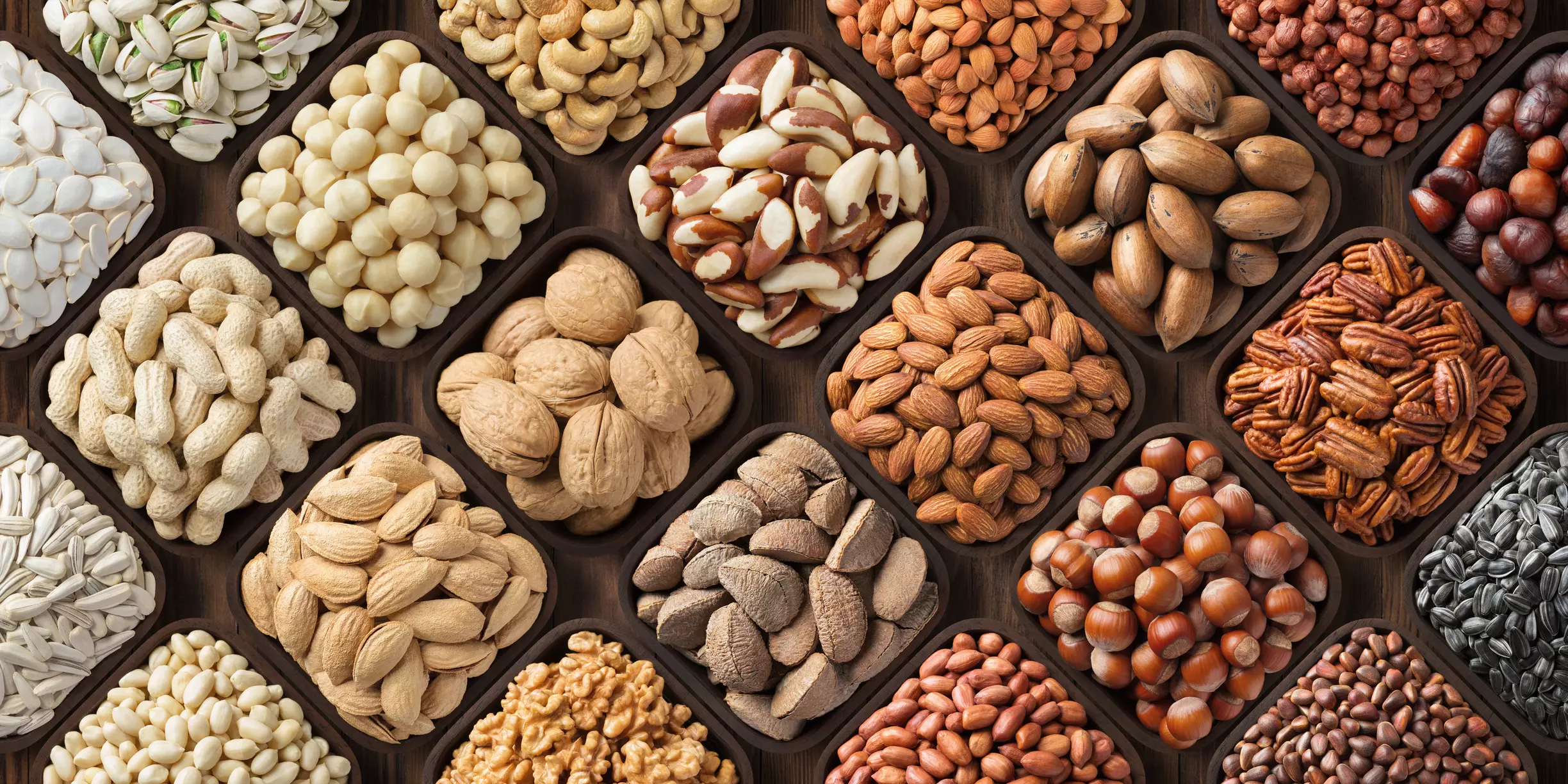
Quick answer: Low-starch vegetables, fruits, nuts, seeds, and legumes are the most fiber-dense foods — think broccoli, raspberries, almonds, chia seeds, lentils — not fortified cereal or bread. Salad greens and whole grains contain fiber too, but less than people expect.
When people hear "eat more fiber," they often picture the cereal aisle: bran cereal, whole grain crackers, and other processed grain products stamped with a "high fiber" label. But some of the richest, most naturally fiber-dense foods are whole, unprocessed plant foods.
Fruits.
Berries are a standout source of dietary fiber. Three-quarters of a cup of raspberries provides about 6 grams of fiber, and blackberries come in close behind. Fruits with edible skin, like pears, peaches, and apples, are solid sources too. A medium pear provides around 5 to 6 grams of fiber. Whole fruits generally beat their dried counterparts on this front. Three prunes have only about 2 grams of fiber but around 11 grams of sugar, and prunes' reputation for supporting regularity likely has more to do with sorbitol, a naturally occurring sugar alcohol with a laxative effect, than with fiber content itself.⁶
Low-starch vegetables.
These are some of the best fiber sources available, packed with nutrients and low in sugar. Cruciferous vegetables like broccoli, cauliflower, kale, brussels sprouts, and cabbage are excellent choices. Green beans are another great option, and peas are surprisingly high in fiber. Carrots and celery contribute too, and starchier vegetables like winter squash and sweet potatoes offer a good amount of fiber, with even more if you eat the skin.
One common misconception: salad greens aren't actually a major fiber source. A cup of raw spinach has less than 1 gram of fiber. Leafy greens are valuable for their vitamins, minerals, and polyphenols, but if you're building a high-fiber salad, the fiber is coming mostly from the toppings, not the lettuce.
Seeds.
Just two tablespoons of chia seeds provide about 6 grams of fiber, making them one of the most fiber-dense foods around. Ground flaxseed offers similar benefits and blends easily into smoothies and yogurt.
Nuts.
Almonds, walnuts, pistachios, hazelnuts, and pecans all contribute fiber, but they're calorically dense, so portion size matters. A tablespoon or two is a reasonable serving.
Beans, legumes, and lentils.
This category delivers some of the biggest fiber payoffs per serving. Half a cup of lentils provides around 9 grams of fiber, while black beans and chickpeas offer 5 to 6 grams per half cup. Because these foods are also carbohydrate-heavy, keeping servings to around half a cup helps avoid stacking too many carbs onto one plate.
Whole grains.
Brown rice, whole grain bread, and whole grain or multigrain cereals do contain fiber, but often less than people expect relative to their carbohydrate content. A cup of brown rice has about 3 to 4 grams of fiber alongside roughly 50 grams of total carbs. A slice of whole grain bread typically has 2 to 3 grams of fiber. Whole grains can absolutely be part of a high fiber diet, just in reasonable portions (closer to a half cup), with the rest of your fiber goal coming from vegetables, legumes, seeds, and fruit.
A Word on Processed "High Fiber" Foods and Functional Fibers
Not all fiber grams are created equal. During manufacturing, grains are milled, puffed, flaked, extruded, or refined, and that processing changes how the carbohydrate behaves in the body, often leading to faster digestion and quicker blood sugar spikes. To offset this, many manufacturers add isolated or functional fibers to products like high-fiber bars, crackers, drinks, and pasta specifically so they can market a higher number on the nutrition label.
These functional fibers do offer some benefit, but they don't come packaged with the full range of nutrients, antioxidants, phytochemicals, and natural food structure found in whole plant foods. Eight grams of added fiber in a box of cereal isn't nutritionally equivalent to 8 grams of fiber from broccoli, beans, or berries. Whole foods deliver fiber within a natural food matrix, along with everything else that comes with it.
Can You Get Too Much Fiber?
Yes, and the most common mistake is ramping up too fast. Jumping from 8 or 10 grams of fiber a day to 30 grams in a day or two can land you in a world of digestive discomfort: bloating, gas, diarrhea, and sometimes even worse constipation than you started with.
The better approach is gradual. Add one fiber-rich food at a time, give your digestive system a chance to adjust, and build from there. And don't overlook hydration. As fiber intake increases, water becomes even more important, since fiber depends on adequate fluid to do its job well. This is especially true when starting a fiber supplement.
Fiber Supplements: A Reasonable Add, Not a Replacement
Quick answer: Fiber supplements can help close the gap toward 30 grams a day, but they're a supporting tool, not a replacement for fiber-rich whole foods, which provide nutrients supplements can't replicate.
If a fiber supplement is a good fit for your routine, look for one that's just fiber, without the extras. A guar fiber powder with no added sweetener or color, for example, tends to be well tolerated and mixes easily without grit or bloating, which makes it a reasonable option for people dealing with constipation, diarrhea, or those who are already regular but want to round out their fiber intake. Some fiber and prebiotic blends are also formulated to support the growth of Akkermansia, a strain of gut bacteria linked to the body's natural GLP-1 production and to supporting the gut's mucosal lining. Pomegranate seeds are another fiber-rich food associated with supporting Akkermansia, thanks to their phytochemical content.
Fiber supplements are best thought of as a supporting tool, not a substitute for fiber-rich foods. Real, whole plant foods still bring nutrients that a supplement alone can't replicate.
Fiber Supplements we recommend:
How to Know If You're Getting Enough
There's no lab test for low fiber intake, so the best clues come from patterns rather than numbers on a chart.
Signs you're likely getting enough fiber:
-
Regular, well-formed, easy-to-pass bowel movements, generally once or twice a day
-
Feeling satisfied after meals rather than hungry again shortly after
-
More stable energy throughout the day
-
Fewer extreme blood sugar swings
-
A plate that consistently includes a couple of cups of vegetables, plus fruit, legumes, nuts, or seeds
Signs your fiber intake may be falling short:
-
Constipation or irregular bowel movements
-
Feeling hungry again soon after eating, or a "stop button" that doesn't seem to work
-
Noticeable blood sugar swings
-
Elevated cholesterol levels
Any of these can have multiple causes, so inadequate fiber isn't necessarily the first thing to address. But if you're already eating a reasonably balanced diet and still seeing these patterns, fiber is worth a closer look.
Small Changes Add Up
Rather than overhauling your entire diet, focus on addition instead of restriction. A few examples of how quickly fiber can add up across a day:
-
Three-quarters cup of raspberries plus a tablespoon of ground flaxseed stirred into yogurt: about 8 grams of fiber
-
Frozen stir-fry vegetables and black beans mixed into scrambled eggs: about 6 grams of fiber
-
Half an avocado added to a smoothie or blended into guacamole: about 7 grams of fiber
-
A salad topped with half a cup of chickpeas and half an avocado: close to 15 grams of fiber
-
A cup of carrots dipped in guacamole: about 10.5 grams of fiber
-
Two kiwis with a quarter cup of pepitas: about 7.5 grams of fiber
Notice that these ideas lean on fruits and vegetables, seeds, and legumes rather than bread, crackers, or cereal. That's intentional. Adding fiber-rich foods tends to naturally crowd out lower-fiber, more processed options, which is often a more sustainable shift than trying to cut foods out directly.
The Bottom Line
Dietary fiber influences far more than digestion. It plays a role in blood sugar regulation, cholesterol levels, cardiovascular health, gut microbiome balance, satiety, and long-term wellness, and most people are getting only about half of what their body needs. The good news is that closing that gap doesn't require a dramatic diet overhaul. A few intentional additions of fruits, vegetables, legumes, seeds, and nuts, layered in gradually and paired with plenty of water, can move you steadily toward a genuinely high fiber diet.
If you're not sure where your fiber intake currently stands, or you want help building a plan that fits your specific digestive needs, meeting with one of our registered dietitians is a great next step. We work with you where you're at, at whatever pace makes sense for your body.
More Resources:
- LISTEN: Not Getting Enough Fiber? Start Here
- LISTEN: The Surprising Role of Fiber in Cholesterol
- RECIPE: Fiber Mug Muffin
Other resources:

1. Vinelli, V., Biscotti, P., Martini, D., et al. (2022). Effects of Dietary Fibers on Short-Chain Fatty Acids and Gut Microbiota Composition in Healthy Adults: A Systematic Review. Nutrients, 14(13), 2559. https://www.mdpi.com/2072-6643/14/13/2559

2. Fiber and GLP-1s: Benefits, Dietary Guidelines, and More. GoodRx. https://www.goodrx.com/classes/glp-1-agonists/fiber-and-glp-1s

3. Most Americans Are Not Getting Enough Fiber in Our Diets. American Society for Nutrition, based on NHANES 2013–2018 data (Miketinas et al., presented at NUTRITION 2021). https://nutrition.org/most-americans-are-not-getting-enough-fiber-in-our-diets/

4. Fiber Intake of the U.S. Population. FSRG Dietary Data Briefs, NCBI Bookshelf. https://www.ncbi.nlm.nih.gov/books/NBK589559/

5. Reynolds, A., Mann, J., Cummings, J., et al. (2019). Carbohydrate quality and human health: a series of systematic reviews and meta-analyses. The Lancet. https://www.thelancet.com/article/S0140-6736(18)31809-9/fulltext

6. Does Prune Juice Help Relieve Constipation? Cleveland Clinic. https://health.clevelandclinic.org/prune-juice-for-constipation
Share This Article