Article originally written February 2016. Updated in August 2026
High blood sugar (hyperglycemia) is a serious condition. It's also very common. When conditions become common, we tend to take them less seriously. But with Type 2 diabetes on the rise (data shows that one out of three people will develop Type 2 diabetes in their lifetime¹), high blood sugar is not something we should be taking lightly.
For individuals with diabetes, maintaining blood sugar within a healthy range is an essential part of daily management. With time and consistent, intentional lifestyle changes, conditions like prediabetes and type 2 diabetes can be improved, and in some cases, even reversed or put into remission.
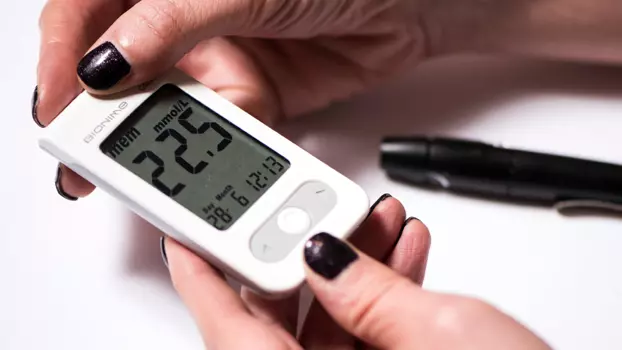
How does sugar get into the blood?
When you eat a food that is made up of carbohydrates, such as bread, pasta, cereal, candy, even fruits and vegetables, the carbohydrates are broken down into sugar (glucose) during digestion. The glucose makes its way into the blood stream, raising blood glucose levels via the small intestine. This sends a signal to the pancreas to release the hormone insulin. It's insulin's job to shuttle the glucose out of the blood stream and into your cells. When the body doesn't produce enough insulin or when insulin resistance develops, blood glucose levels stay elevated.
When we eat, glucose/sugar provides energy for your muscles, your brain and other cells of the body. When we have enough sugar, but not too much, we feel great, have a lot of energy, focus, and a good mood. If there is consistently too much sugar in the blood stream, leading to elevated blood sugar levels even while in a fasted state, it's a signal of a problem. The mechanism of getting sugar out of the blood and into the cells is not functioning correctly.
Chronic high blood sugar can lead to diabetes and its complications, which over time can become serious and debilitating, affecting multiple systems in the body.
When we eat balanced meals (protein, veggies, fat and a smaller amount of starch - think 1/2c of rice, potato or fruit) blood sugar levels rise a little after the meal and then come back down. But when blood sugar spikes too high (a sandwich with pretzels and a fruited low-fat yogurt), more insulin is released to bring it back into balance. As your blood sugar spikes, it can leave you feeling tired and foggy. We've all likely experienced the carb-coma that follows Thanksgiving dinner or the need for a nap shortly after our lunch break. A couple hours later, after the insulin has done its job, we're left irritable, shaky, or hungry again.
In other words, high blood sugar is not only a long-term problem as in the case with prediabetes and diabetes. It can affect your energy, mood, focus, and cravings right away, day after day.
What is a high blood sugar level?
High readings once in a while are not the problem. Indulgences happen and are a fun part of life. The real concern is a pattern of blood sugar levels running too high, too often.
A normal fasting blood sugar, at least 8 hours without food, is 70–99 mg/dL. Fasting readings between 100–125 mg/dL indicate prediabetes, and 126 mg/dL or higher on two separate tests suggests diabetes. Ideally, blood sugar stays under 140 after eating and comes back down under 100 between meals. A post-meal blood sugar above 140 indicates a meal was eaten that contained too many carbohydrates.
Blood sugar spikes aren't limited to full meals. High-carb snacks and sugar-sweetened beverages can raise it just as easily, and even foods commonly viewed as 'healthy' can cause a sharp rise when eaten on their own, without the fat, fiber, and protein that slow digestion.
For example, a recent continuous glucose monitor (CGM) reading showed a spike to 170 mg/dL after eating a small banana as a standalone snack. This highlights how even natural, nutrient-rich foods can impact blood sugar when not paired with other nutrients that help blunt the response. (More on CGMs later)
The more often blood sugar goes into these higher ranges, the more wear and tear it places on the body.
How do you get tested for high blood sugar?
Standard lab tests
The simplest place to start is with lab work. Fasting blood sugar is an easy and important marker of metabolic health. A level between 70 and 90 mg/dL is considered a healthy target range. This test is typically performed after an overnight fast and is often included in your annual physical exam.
Another key lab is the Hemoglobin A1C (HbA1c). This test measures how much glucose is attached to hemoglobin, the protein in red blood cells that carries oxygen. Because red blood cells live for about 3 months, the A1C reflects your average blood sugar levels over that time, rather than just a single snapshot.
For optimal health and early prevention, a Hemoglobin A1C of 5.6% or lower is a favorable target.
Testing for prevention
Prevention is key, and taking your lab testing a step further, one of the most valuable tests to request at your annual exam is a fasting insulin level. This test can uncover early signs of poor blood sugar regulation well before your glucose or A1C levels fall outside the normal range, giving you the opportunity to intervene early and protect your long-term metabolic health.
A fasting insulin test measures how much insulin your body produces after an overnight fast, offering insight into how efficiently your body manages blood sugar at rest. Because insulin helps move glucose into your cells for energy, elevated fasting insulin levels can indicate that your body is working harder than normal to maintain stable blood sugar, often an early sign of insulin resistance.
What is insulin resistance? Insulin resistance occurs when your body's cells become less responsive to insulin, meaning more insulin is required to move glucose out of the bloodstream and into the cells. Over time, this can lead to chronically elevated insulin levels and eventually rising blood sugar levels.
Listen: Insulin Resistant or Not?
While many labs list a "normal" fasting insulin range of 2–20 µIU/mL, optimal levels are typically much lower. A range of 2–5 µIU/mL is often considered ideal, suggesting strong insulin sensitivity and that your body requires only a small amount of insulin to effectively regulate blood sugar.
Fasting insulin is not routinely included in a standard lab panel and its value is often overlooked. If you have concerns about your blood sugar, a family history of diabetes, or symptoms suggestive of insulin or blood sugar imbalance, it's important to advocate for yourself and request this test, even if your fasting blood sugar and A1C appear normal.
The HOMA-IR (Homeostatic Model Assessment of Insulin Resistance) score builds on this by combining fasting insulin and fasting glucose levels to estimate how resistant your cells are to insulin. It offers a more complete picture of metabolic health, helping identify reduced insulin sensitivity early on. Lower scores indicate better insulin sensitivity, while higher scores suggest increasing levels of insulin resistance and a greater risk for conditions like prediabetes and type 2 diabetes. A HOMA-IR above 2.0 suggests reduced insulin sensitivity, while values above 2.5–3.0 indicate significant insulin resistance.
Using a CGM for insight
Another engaging and increasingly popular way to monitor your blood sugar levels is by using a Continuous Glucose Monitor (CGM). CGMs do exactly what their name suggests. They track your blood sugar levels 24 hours a day, giving you real-time insight into how your body responds to food, stress, exercise, and sleep.
A CGM is a small device that is worn on the body, typically on the back of the upper arm. It uses a tiny sensor inserted just under the skin to measure glucose levels in the fluid between your cells. The sensor is held in place with a small adhesive patch and sends continuous data to a smartphone app, allowing you to easily view trends and patterns throughout the day.
One of the biggest benefits of a CGM is that it helps you see patterns you might otherwise miss like the real-world banana example highlighted earlier. While bananas can be a part of a balanced diet, this example demonstrates how even natural foods can impact blood sugar. Oatmeal or that morning vanilla latte are other examples, if not paired with protein and fat, blood sugar levels can go well out of the healthy range if this is what's for breakfast.
By providing continuous feedback, CGMs can be a powerful tool for building awareness and making more informed choices to support stable blood sugar throughout the day.
And now, CGMs are commercially available without a prescription. Stelo Sensor-Transmitter Kit, 2-pack - NutriKey
What are the side effects of high sugar levels?
High blood sugar is dangerous because, left untreated, it quietly damages the blood vessel endothelium (the inner lining of blood vessels), which in turn, impairs circulation. Excess glucose forms advanced glycation end-products (AGEs), which stiffen arteries and promote oxidative stress and inflammation. Over time, this damage can lead to atherosclerosis, where plaque buildup narrows arteries and restricts blood flow.
Because of this blood vessel damage, other problems arise showing up in the eyes, feet, kidneys, heart, and nerves, increasing the risk of serious health problems. That's why blood sugar problems are not just about eating too much sugar or about an expanding waistline. They can affect many parts of the body. This long-term damage is often referred to as microvascular complications.
Damages the blood vessels in your eyes, which can lead to poor vision, even blindness
Chronically high blood sugar can damage the tiny blood vessels in your eyes. Over time, that can lead to diabetic retinopathy which can cause serious vision problems and, if left unaddressed, blindness. Blurred vision may be one of the early symptoms of this damage.
Read: The High Blood Sugar Connection to Eye Diseases
Damages the kidneys, which can lead to the need for dialysis
High blood sugar and high insulin can also affect the kidneys. When insulin stays high, the kidneys hold on to more sodium and water, which can increase fluid retention and place more stress on the body over time.
High insulin levels can alter the structure and function of the tiny filters in the kidneys that remove waste and excess fluid from the blood. This disruption can lead to excess protein in the urine and a slowing of the glomerular filtration rate (GFR), which are early indicators of kidney damage.
Excess blood sugar forces the kidneys to overwork, which can lead to kidney damage or kidney disease or total failure.
Listen: Eating for Good Kidney Function
Damages the nerves in your toes, which can lead to neuropathy, a burning sensation and loss of feeling
High blood sugar is one of the most common causes of nerve damage. Extra sugar in the blood can cause nerve damage, especially in the hands and feet, leading to tingling, burning, numbness, pain, and loss of feeling. This type of nerve damage is commonly seen in people with diabetes.
Read: Are Your Neuropathy Symptoms Caused By Sugar?
Damages the heart and blood vessels
As was mentioned earlier, high blood sugar also affects the heart and blood vessels and overall cardiovascular health. Repeated spikes can raise cholesterol and triglycerides, increase inflammation, increase blood pressure and make blood vessels less flexible. Over time, this leads to an increased risk of cardiovascular disease (CVD) including coronary artery disease (CAD), heart attack, stroke and heart failure.
Read: Balance Blood Sugars to Protect Your Heart
Good news!
All of these conditions can be avoided. You are in charge of your blood sugar. Every time you choose a meal or snack, you are making a decision that affects your blood sugar levels and overall health. Small, consistent nutrition and lifestyle changes can make a meaningful difference in long-term blood sugar control.
Most people can avoid high blood sugars by eating the Weight & Wellness Way
For stable blood sugar, choose animal proteins, carbohydrates from vegetables and fruit (in limited quantities), and quality fats at meals and snacks. The protein and fat will anchor your blood sugar so it stays within a healthy range and slows digestion so you feel satisfied longer.
The Weight & Wellness Way to stabilize blood sugar all day long:
BREAKFAST
- 2 eggs (protein)
- 2 slices nitrate-free Canadian bacon (protein)
- 1 cup asparagus (carbohydrate) sautéed in 2 teaspoons butter (fat)
- 1 clementine (carbohydrate)
SNACK (optional)
- ½ cup plan, full-fat Greek yogurt (protein)
- 1 scoop protein powder (protein)
- ½ ripe pear (carbohydrate)
- ¼ cup chopped nuts (fat)
LUNCH
- Spicy Coconut Stew (protein, carbohydrate and fat)
- ½ cup brown rice (carbohydrate)
SNACK
Make a kabob out of:
- 2 ounces cubed turkey (protein)
- 1 cup cherry tomatoes and nine grapes (carbohydrate)
- 10 black olives (fat)
DINNER
- 4-6 ounces pork tenderloin (protein) topped with ½ apple (carbohydrate) sautéed in 2 teaspoons butter (fat) and a sprinkle of cinnamon
- 2 cups cooked broccoli (carbohydrate)
- Still hungry? Add: A side salad (carbohydrate) with 1 tablespoon olive oil (fat) and balsamic vinegar
BEDTIME SNACK
- Cucumbers, carrots and bell peppers (carbohydrate)
- 2 tablespoons guacamole (fat)
Read: Cutting Out Sugar? Where to Start.
Read: 6 Reasons Behind Cravings & How to Fix Them
Listen: Bedtime Snacks and Blood Sugar
Additional resources:
If you are concerned about your blood sugar levels and want help with diabetes management or improving your blood glucose levels, consider taking one of our classes or working with a nutritionist or dietitian.
Meet with a nutritionist for a one-on-one consultation.
Managing blood sugar can feel overwhelming, but with the right support and simple lifestyle changes, it becomes much more doable. Food really matters!
A personalized treatment plan can help you stay within your target range and support long-term health.
Sources:
1. CDC 2014 National Diabetes Statistics Report
Share This Article