You want to eat more real food, but getting dinner on the table can feel like a lot at the end of a busy day. Washing greens, chopping vegetables, cooking protein, and putting everything away all take time.
The right kitchen tools can make those steps easier. A sharp knife makes chopping less frustrating. A few sheet pans let you prepare extra food while the oven is already on. A slow cooker can have dinner cooking while you’re at work.
At Nutritional Weight & Wellness, we encourage finding practical ways to make real-food meals fit your life. Here are kitchen tools our nutritionists reach for, along with ideas for putting them to work in your own kitchen.

Start With the Everyday Essentials
Before choosing another countertop appliance, take a look at the tools you use to prepare most meals. These basics can make a difference throughout the week.
A Quality Chef’s Knife
If chopping vegetables feels like the longest part of making dinner, your knife deserves some attention. A quality chef’s knife that you keep sharp makes cutting and chopping easier. Even a good knife needs sharpening, so make that part of caring for your kitchen tools.
Quality Cutting Boards
Keep several cutting boards available, including a separate one for raw meat. Having an extra board also makes it easier for someone to help. One person can prepare vegetables while another works on a different part of the meal.
A Few Large Sheet Pans
Sheet pans are especially useful when you want your cooking time to cover more than one meal. You can roast meat and vegetables in larger batches, with relatively little hands-on attention once they’re in the oven.
While one pan cooks, prepare another. You might roast chicken on one pan and vegetables on another, then have extra ingredients ready for lunches or another dinner. In our kitchen gadgets podcast, dietitian Brandy Buro recommends having several large sheet pans to make this kind of batch preparation easier.
A Dependable Skillet
A skillet earns its place with everyday meals. Our wellness gift guide includes cast iron and ceramic cookware among the team’s favorites. One of our dietitian's uses her cast iron skillet for steak, fajitas, and baby potatoes, especially when winter weather makes outdoor grilling less appealing.
Small Tools That Take the Frustration Out of Prep
Some of the most useful kitchen helpers fit right in a drawer. Think about the tasks you put off or find tedious, then consider which tool could help.
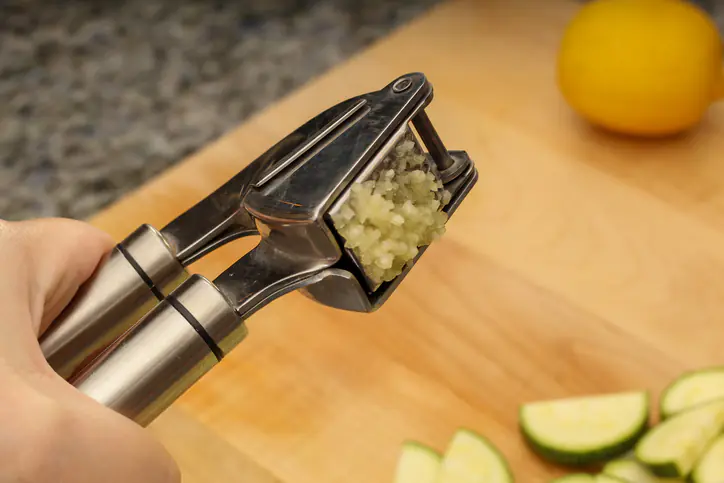
Garlic Press
If you cook with garlic often, a press can save you the work of finely mincing it with a knife. It’s a small tool that can make preparing a soup, marinade, or sauce a little easier.
Microplane or Zester
This fine grater has several uses. Try it for ginger, garlic, Parmesan cheese, or the zest of a lemon or orange. Citrus zest can add flavor to dressings and marinades, while a little grated Parmesan adds a finishing touch to roasted vegetables or soup.
Handheld Citrus Juicer
A handheld juicer makes it easier to squeeze lemons and limes for homemade dressings, sauces, and marinades. Dietitian Brandy Buro likes one large enough to accommodate small oranges, too, so the same tool handles several kinds of citrus.
Salad Spinner
Washing greens is one step. Getting them dry is another. A salad spinner helps dry washed lettuce and fresh herbs quickly, so you can move on with preparing your meal. If cupboard space is limited, a collapsible version may be worth considering.
Food Chopper
A manual food chopper can help with onions, carrots, and celery for soup, or nuts to sprinkle over yogurt or salad. It’s another option when using a knife makes food preparation difficult.
Kitchen Shears
Kitchen shears are useful for snipping herbs and opening food packaging. Chef Marianne Jurayj recommends a pair that comes apart so you can wash it thoroughly.
Choose Appliances Around the Meals You Make
Think about what you cook most often and where you could use some help. These appliances each serve a different purpose.
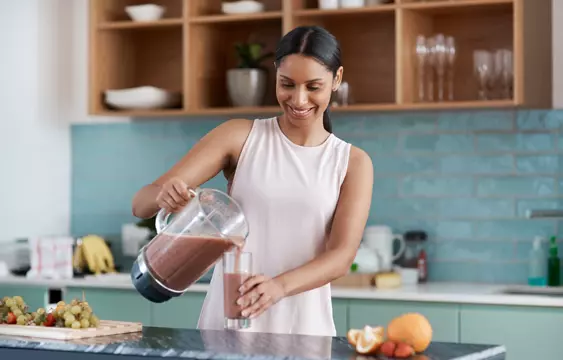
Blender for Breakfasts and Quick Sauces
A blender can make a smoothie quickly, and preparing extra gives you another breakfast or snack for later. Look beyond smoothies, too. Blenders are useful for soups, dips, dressings, and sauces.
Try blending fresh herbs, garlic, olive oil, and lemon juice into a chimichurri sauce for grilled chicken. A quick sauce can bring a different flavor to a familiar protein without requiring an entirely new meal.
When choosing a blender, consider whether it can handle the ingredients you use, such as frozen fruit, and whether its capacity fits the amount you want to prepare.
"I bought a Vitamix years ago and have definitely gotten my money’s worth since I use it almost every morning for smoothies." - Amy Crum MS, RD, LD
Air Fryer for Smaller Meals and Leftovers
An air fryer can be helpful when you’re cooking for a smaller household. Brandy uses hers for fish, chicken, roasted vegetables, and reheating leftovers. Broccoli, cauliflower, Brussels sprouts, and sweet potato wedges are some of her favorites.
Consider how much food you need to cook at once. Some air fryer's work best for smaller batches, so capacity matters when deciding whether it fits your household.
Slow Cooker for Less Hands On Cooking
A slow cooker gives you a way to prepare a meal with relatively little active cooking time. Try preparing ingredients for a recipe on Sunday evening, then start it in the slow cooker Monday morning.
It’s especially useful for soups, stews, and cuts of meat that benefit from long, slow cooking. While dinner cooks, your oven is also available for something else, such as a batch of roasted vegetables.
Pressure Cooker for Versatile Batch Preparation
A pressure cooker, such as an Instant Pot, can help with roasts, stews, chili, hard-boiled eggs, and wild rice. Brandy also uses it during larger meal-prep sessions so she can cook a roast while vegetables are in the oven.
Even dietitians sometimes need help getting comfortable with a new appliance. Brandy admits that learning to use her Instant Pot took some practice: “I kind of needed a little coaching. I needed to watch a few videos to figure out exactly how to do it.”
If you have one sitting in a cupboard because you aren’t comfortable using it, a cooking demonstration or class may help you get started. Follow the instructions for your appliance and the recipe you’re preparing.
Give Your Extra Cooking a Place to Go
Having dependable food storage is part of making meal prep easier. When you’ve already washed, chopped, and cooked, making extra gives you a head start on another meal. Having containers ready makes it easy to put those extra portions away for a day when you have less time to cook.
Glass storage containers for portioning meals and leftovers.
Keep a few sizes on hand: smaller containers for an individual lunch and larger ones for extra roasted chicken, vegetables, or a batch of soup. Choose containers suited to the way you’ll use them, and follow their instructions for freezing and reheating.
Reusable silicone bags for packing snacks and storing food.
Choose sizes that fit what you regularly prepare so you have a convenient place for those extras.
With storage ready to go, putting food away becomes the final step of meal prep. You’ve done the cooking once and given yourself something to work with later. That can mean a packed lunch, a dinner that only needs reheating, or a few prepared ingredients that help your next meal come together faster. Eating real food every day becomes more manageable when you don’t have to cook everything from scratch every day.
Make One Part of Cooking Easier
Start by thinking about what slows you down. Is it chopping vegetables? Preparing protein? Having to cook again the next day?
Choose a tool that helps with that task, and give it a regular job in your kitchen. Put your sheet pans to work on an extra batch of vegetables, use your blender for a quick sauce, or get a slow-cooker meal started before a busy day. Those practical steps can make preparing real-food meals feel more manageable.
Additional resources for working in the kitchen:
Share This Article