The Nutrition Connection to Postpartum Hair Loss - Ask a Nutritionist
September 3, 2026
Postpartum hair loss can be alarming, but is it normal, and can nutrition help? Registered dietitian Amy Crum explains why hair shedding often increases after pregnancy, when it may signal another issue, and how adequate calories, protein, iron, healthy fats, and other key nutrients support healthy hair growth. Plus, learn what breastfeeding moms should know about supplements and when it’s time to talk with a healthcare provider.
Listen below, or subscribe to our podcasts through Apple Podcast or Spotify.
Join our Dishing Up Nutrition Facebook Community!
A private, supportive space to ask questions, share ideas, and get bonus content from our nutrition team.
Similar Podcast Episodes
Similar Articles
Transcript
Amy: Hello, and welcome to “Ask a Nutritionist”, our weekly mini episode of Dishing Up Nutrition. I am Amy Crum, a registered dietitian with Nutritional Weight and Wellness. If you've had a baby recently and suddenly feel like you're leaving hair everywhere, the shower drain, your pillow, your clothes, your baby, you are definitely not the only new mom wondering, "What is happening to my hair?"
Today, we're talking about the nutrition connection to postpartum hair loss. There is a lot of marketing aimed at postpartum women around hair growth: gummies, powders, vitamins, shampoos, and supplements. So today, I want to separate what we know about normal postpartum shedding from situations where nutrition or another health issue might actually be contributing.
What causes postpartum hair loss? (#1: the estrogen connection)
First, let's answer what causes postpartum hair loss. The important thing to know is that postpartum hair loss is usually a normal, temporary change in the hair growth cycle. Normally, individual hairs are at different points in their growth cycle. Some are actively growing, while others are resting and eventually shedding.
Pregnancy changes that pattern. Higher estrogen levels during pregnancy keep more hairs in the growing phase for longer. That's one reason some women notice that their hair looks especially thick and full while they're pregnant. Then you have your baby. Estrogen levels fall, and many of those hairs that stayed in the growth phase during pregnancy shift in the resting and shedding phase around the same time.
So a few months later, it can seem like your hair suddenly starts falling out everywhere. The Academy of Dermatology says postpartum shedding often becomes noticeable a couple months after delivery and tends to peak around four months postpartum. In most women, hair gradually returns to its usual fullness within about six to nine months, and most have regained their normal growth by their baby's first birthday.
That timeline is important because postpartum hair shedding can look dramatic without necessarily indicating that something is wrong. You're not necessarily losing hair permanently. You're shedding hairs that were essentially held onto longer during pregnancy.
Possible nutritional or lifestyle connections to postpartum hair loss
But, and this is where nutrition comes into the conversation, not every case of postpartum hair loss should automatically be blamed on hormones. Iron deficiency, inadequate protein or calorie intake, zinc or biotin deficiency, thyroid disease, illness, significant stress, and other conditions can contribute to hair loss. So we want to distinguish normal postpartum shedding from shedding that might have an additional cause. Now let's get into it.
How do you treat postpartum hair loss? (#1: give it time)
How do you treat postpartum hair loss? For normal postpartum hair shedding, the frustrating answer is also the reassuring answer. Time is the main treatment. Postpartum shedding is temporary and doesn't generally require treatment. You can, however, make sure you're giving your body what it needs to grow healthy new hair.
Make sure you’re eating enough
First, you want to make sure you're eating enough. Postpartum is not a time for a restrictive diet. Your body has just gone through pregnancy and delivery. You're recovering. You may be breastfeeding. You're probably not sleeping like you used to, and hair itself is not a biological priority. When energy or nutrients are scarce, the body prioritizes essential functions over growing hair. Eating too few calories or getting too little protein or iron can contribute to hair loss.
Be gentle with the hair you have
Second, be gentle with the hair you have. Avoid constantly pulling your hair into really tight hairstyles. Be gentle when brushing, especially when your hair is wet, and minimize unnecessary heat or chemical damage.
Know when to ask for help
And third, know when to ask for help. If you're approaching your baby's first birthday and your hair hasn't started returning to its normal fullness, that's a good reason to talk to your healthcare provider and meet with a dietitian.
I'd also bring it up sooner if the hair loss is patchy, you're developing bald spots, your scalp is painful or inflamed, or you have other symptoms that make you wonder whether something besides normal postpartum shedding is happening. Your doctor or dietitian may recommend testing for things like iron status or thyroid function based on your symptoms and history.
What should you eat for postpartum hair loss?
Now we get to my favorite part as a dietitian: What should I eat for postpartum hair loss? Think about giving the hair follicle all the raw materials it needs. We always start with protein. Hair is primarily made from a protein called keratin, so consistently meeting your protein needs matter. For women, we recommend about four ounces of animal protein with each meal and a couple ounces with snacks.
Examples can include eggs, yogurt, cottage cheese, chicken, turkey, fish, beef, pork, and other meats. It doesn't need to be complicated. Plain yogurt with berries and nuts for breakfast, some nitrate-free turkey roll-ups spread with avocado wrapped around baby cucumbers for lunch, salmon heated up in the air fryer with potatoes and roasted vegetables for dinner, a couple hard-boiled eggs with an apple and peanut butter as a snack. Those are some simple ways to include protein throughout your day without spending a lot of time prepping and cooking.
Pay attention to iron status
Next, pay attention to iron. Iron deserves special attention postpartum because pregnancy increases iron requirements, and blood loss during delivery can further affect iron stores. The best sources come from animal sources like beef and other meats.
There is some iron in plant foods like beans, lentils, tofu, and leafy greens. However, this non-heme type of iron isn't as absorbable by the body as animal sources. However, they're still healthy options to include as part of a balanced diet. Here's a dietitian trick. When you're eating iron, pair it with vitamin C, which helps you absorb that iron better.
An example could be beef chili with tomatoes or chicken with bell peppers. We have great recipes for chili and a sheet pan fajitas recipe on weightandwellness.com that I would highly recommend if you're looking for a good way to pair high-iron foods with vitamin C.
Check Out Some of Our Recipes!
And if you suspect you're iron deficient, testing your ferritin level, which is your stored iron, is best before you start taking a high-dose supplement. You could talk with your dietitian or your doctor to discuss whether testing is appropriate for you.
Zinc is important for normal hair growth
And don't forget zinc. Zinc is another nutrient involved in normal hair growth. Again, animal sources are highest. You'll find it in red meat, poultry, shellfish, and dairy foods, as well as smaller amounts in plant foods like beans, nuts, and seeds.
Omega-3 fats: another important piece of the hair growth puzzle
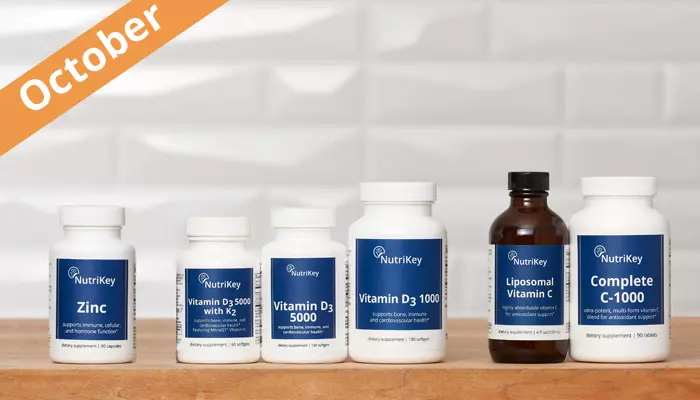
Another important piece of the hair growth puzzle is healthy fats. Omega-3 fats can be a great addition to an overall nutrient-dense postpartum diet. It's recommended to eat fish and seafood two to three times per week while choosing low-mercury options. Since many people fall short in fatty fish intake, I'd like to recommend supplementing a high-quality omega-3 fish oil, like our NutriKey Omega-3 1000 or Omega-3 Extra Strength, which comes in both gel caps and liquid.
Eat healthy fat
In addition to omega-3s, we want to aim for about a tablespoon or around fourteen grams of healthy fat with each meal and snack, like grass-fed butter, olive oil and olives, avocado oil and avocados, nuts and seeds.
Eat enough food
And finally, it's so important to eat enough food overall. This may be one of the most overlooked pieces. Especially when you're breastfeeding, your energy needs are higher. The American College of Obstetricians and Gynecologists notes that making breast milk generally requires roughly four hundred and fifty to five hundred additional calories per day.
So if you're breastfeeding, sleep-deprived, skipping breakfast, having coffee for lunch, and trying to aggressively lose pregnancy weight at the same time, your body may not be getting the nutrition it needs for recovery. Focus on adequacy over perfection.
Best vitamins for postpartum hair loss while breastfeeding
Now, what are the best vitamins for postpartum hair loss while breastfeeding? This is probably the question I hear most often when it comes to hair loss, and I want to make an important distinction. The best supplement isn't necessarily the supplement with hair growth written on the bottle.
For many breastfeeding women, continuing a prenatal or an appropriate postnatal multivitamin may be recommended while breastfeeding. Beyond that, supplements should ideally address an actual nutritional need. Probably the most popular hair vitamin that you've heard of is biotin.
Biotin is a B vitamin that supports the production of keratin, which is the main protein that builds hair. We get lots of biotin in whole foods like eggs, fish, meat, nuts, seeds, and sweet potatoes. A true biotin deficiency can contribute to hair loss, but that doesn't mean taking huge doses of biotin will make normal postpartum shedding stop.
If you're already getting enough, more isn't automatically better. That's a useful rule for supplements in general. You don't need to stack a prenatal vitamin, a gummy, a powder, and other supplements without checking what's actually in all of them to make sure you're not getting too much of any certain nutrients.
We've talked about iron being a common supplement if you're iron deficient or anemic in postpartum. Getting your ferritin tested can give you an idea of how much to supplement, so this is something to discuss with your dietitian.
Vitamin D is another nutrient worth discussing. Particularly if you have low vitamin D levels below 30 nanograms per milliliter, ideally, we'd want to see it above 50. Vitamin D is important for normal hair follicle function, and low vitamin D has been associated with some forms of hair loss. If you're deficient, correcting that deficiency with a simple daily supplement is important and may remove an additional barrier to healthy hair growth.
Depending on your diet, certain nutrients may also deserve attention. For breastfeeding women following vegetarian or vegan diets, it's especially important to work with a dietitian to determine the need for supplementation for nutrients, including B12, iron, zinc, iodine, choline, and omega-3 fats.
Does breastfeeding make postpartum hair loss worse or last longer?
So let's answer the question: Does breastfeeding make postpartum hair loss worse or last longer? This is such a common concern because the timing makes breastfeeding look guilty. If you're breastfeeding, your hair starts falling out, naturally, you think, "Is breastfeeding doing this?"
But normal postpartum hair shedding is primarily connected to the hormonal changes that occur after pregnancy, particularly the drop in estrogen, not breastfeeding itself. In other words, women can experience postpartum hair shedding whether they breastfeed or not.
So I would not recommend stopping breastfeeding simply because you're experiencing normal postpartum shedding. What breastfeeding can do is increase your nutritional demands. You're producing food for another human while recovering from pregnancy and childbirth.
That makes adequate calories and good nutrition especially important. So instead of thinking, "Breastfeeding is making my hair fall out," a more useful question might be, "Am I meeting my nutritional needs while breastfeeding? Am I eating enough? Am I getting protein regularly? Am I including iron-rich foods? Am I taking the supplements my dietitian recommended? Have I become overly restrictive in an attempt to lose weight?" Those are things we can actually address.
5 key takeaways
So let's wrap up with five key takeaways. Number one, postpartum hair shedding is extremely common and is usually caused by the normal hormonal shifts after pregnancy. Number two, it often becomes noticeable a few months postpartum, peaks around month four, and usually improves with time.
Most women regain their normal hair fullness by around their baby's first birthday. Number three, nutrition can't prevent the normal hormonal hair cycle, but inadequate calories, protein, iron, or other nutrients can contribute to hair loss.
So focus on eating enough and building balanced meals while supplementing appropriately with the guidance of a dietitian. Number four, if you're breastfeeding, talk with your dietitian or healthcare provider about any reasons to test for things like iron, vitamin D, or thyroid function.
And number five, breastfeeding itself isn't considered the primary cause of postpartum hair shedding. Don't let normal postpartum hair loss convince you that you need to stop breastfeeding if you otherwise want to continue. Your body has done an enormous amount of work during pregnancy and postpartum. Hair growth takes time, and in most cases, those little regrowth hairs eventually start showing up.
And with that, we'll wrap up today's episode. Thanks so much for listening to the nutrition connection to postpartum hair loss. If your shedding is severe, persists beyond the expected postpartum period, or comes with other symptoms, talk with your doctor along with working with a dietitian to see if there are underlying causes that need to be addressed.
Until next time, remember that when it comes to postpartum nutrition, focus on nourishing your body as best as you can during this demanding time in life. We, as dietitians, are here to help you. To learn more about us at Nutritional Weight & Wellness, visit us at weightandwellness.com or give us a call at 651-699-3438. Take care and have a great day.
Share this Podcast
Upcoming Podcast Episodes:
October 19: MCAS and Histamine Intolerance, From Symptoms to Support
October 26: The Sleep-Cravings Connection