Essential Nutritional Strategies for GLP 1 Success
April 13, 2026
GLP-1 medications can support weight loss, but without proper nutrition, they may also cause fatigue, muscle loss, and nutrient deficiencies. In this episode of Dishing Up Nutrition, our dietitians explain how these medications affect appetite, digestion, and metabolism, and what to eat to stay nourished. Learn practical strategies to prioritize protein, maintain energy, support gut health, and protect long-term wellness while using GLP-1 medications.
Listen below, or subscribe to our podcasts through Apple Podcast or Spotify.
Join our Dishing Up Nutrition Facebook Community!
A private, supportive space to ask questions, share ideas, and get bonus content from our nutrition team.
Similar Podcast Episodes:
- Steps To Reset and Repair Your Metabolism
- What Protein Is Best For Weight Loss?
- Weight Loss Without Restriction
Similar Articles:
Transcript:
Britni: Welcome to Dishing Up Nutrition, brought to you by Nutritional Weight & Wellness. In this episode today, we will be talking about how and what to eat while taking a GLP-one medication. Maybe you or someone you know started a GLP-1 medication like Ozempic or Wegovy and thought, okay, what, what do I actually eat now?
Maybe you've noticed that since starting a GLP-1 medication, you're just not that interested in food anymore. Maybe you're skipping meals without even trying or eating just a few bites and then pushing your food away. You might even be feeling more tired than expected or noticing changes in your body that no one warned you about.
Well, today we are going to unpack all of that and how to nourish your body while taking a GLP-1 so you feel your best beyond seeing those changes on the scale. You know these medications, they can be a tool for weight loss, but as dietitians, we always want to make sure weight loss does not come at the expense of your health.
So we're going to explain what GLP-1s mean for your nutrition and how to make sure you're fueling your body in a healthy way. And I am Britni Vincent, a Registered and Licensed Dietitian, and I am here with Leah Kleinschrodt today, also a Registered and Licensed Dietitian.
Leah: Yes.
Britni: It’s a timely topic of course that’s everywhere.
Leah: Always.
Leah: Yep. Yes, it, I mean, there's wild popularity of these GLP-one medications. You can't barely turn on the TV or get on the internet without hearing about this, seeing stuff. And it's funny actually, so in, in previous life I used to work locally here as a type of health coach for a major health organization here in the Twin Cities.
And I don't know why this memory sticks out exactly, but I do remember having a patient that I was working with at one point, and so this was circa 2011, 2012. And this particular patient, he had type two diabetes. He was obese and we met one time and he was telling me about this medication that his doctor had started him on for his type two diabetes.
But this medication had kind of a side benefit to, for him of like, I just don't have an appetite. And I, he lost 20 pounds really easy. And come to find out that medication was called Byetta. It was one of the first iterations or first generations of these GLP-1 medications. So these medications, they've been around for at least a little while.
What are GLP-1 medications & how do they work?
But the popularity has really skyrocketed in the last, what, three to five-ish years or so. We want to take a little time today and just do a little overview of what these medications are and how they work. So that GLP-one, this stands for glucagon-like-peptide-one. So it's kind of a mouthful, but it is actually a hormone that your body naturally produces.
It helps regulate your blood sugar. So that's why it was first approved for people who had type two diabetes. It also slows how quickly food leaves your stomach and it sends signals to your brain that, hey, I'm full stop eating. So when you take a GLP-one medication, you're just, you're enhancing those effects.
You feel fuller sooner. You stay fuller for longer, and you often have fewer cravings. Food in general just becomes less interesting. And I will say in, in working with people who have been on this class of medications, that is one of the biggest things that I think people actually like about them is they have less food noise or it really quiets that voice in their head, those constant cravings, that constant chatter.
For many people that is that huge relief, especially if they've struggled for many decades with constant hunger, with cravings, that constant internal struggle like the angel and devil on your shoulder. Like should I, shouldn't I? Or you're constantly battling that and constantly battling those blood sugar swings.
Take caution with undereating which can lead to nutrient deficiencies
So it can be, these medications can be very helpful, it can be a tool, but we can also run into problems if we start really undereating to the point of not getting adequate nutrition in order to even meet your basic needs.
Britni: Yeah. You know, I hear that too, from people that are on these medications, the food noise. It's gone. So yeah. The relief that that offers individuals, but we still need to think about food.
Leah: Yeah.
Britni: We still, our body still needs it.
Leah: Yep.
Britni: And I think this information, if you are not currently on one of these medications and maybe you're trying to lose weight, eating real food, all of this applies to you as well.
Leah: Yep.
Britni: And so I, I think it becomes really difficult for these individuals because your appetite is lower. Like we're saying, you're not thinking about food, but it doesn't mean that your body needs less. Those demands just for our body to function on a daily basis are still there. We still need adequate protein, healthy fats, carbohydrates, vitamins, minerals, just for our bodies to function efficiently.
So in most cases, people, they're prescribed these medications really without much dietary guidance. You know, the clients that I have that are on these medications generally, they're not really given any nutrition advice. I have one client that I think is outside of the norm who she was given a lot of guidance in addition to meeting with me, but it then I think, becomes overwhelming for individuals because they don't know what to expect and then they don't know what to do.
Leah: Yep. And that's anybody. When we go, when we don't know what to do, it's easy to shut down or just go with what you know, or revert back to old patterns and not necessarily make the, the changes that you're, you're hoping to make.
Possible side effects from GLP-1 medications
That's where we can see some challenges crop up because eating, eating less without being intentional about it can lead to long-term nutrient deficiencies, long-term consequences. And this is where we might see people start to struggle more with fatigue.
I have seen clients with hair loss. I like that has been kind of a, a complaint or just something that they've noted when they've started on these medications. Then I think this is making the rounds a little bit more too, but muscle loss, bone loss. I mean, when we have some of that more rapid, extreme weight loss, you're going to have some of that.
But we can slow that down. We can preserve that muscle by being intentional with what we're eating and some of other lifestyle choices. As dietitians, we do want to take that approach of like, okay, we know you're going to be eating less, but how do we still support your nutritional needs to make sure that we have the best outcomes possible, that we're still meeting those nutritional needs. We're still staying on top of health.
You mentioned before, Britni, like, we don't want to sacrifice health solely for the pursuit of weight loss. So we still want to support that metabolism, protect that, that precious muscle, protect those precious bones, and keep your energy stable. Because I think most people do when they go on these medications, they do actually want more energy. They want better quality of life overall. They don't want to sacrifice that.
Britni: Yeah.
Leah: Yeah.
Britni: And you know, naturally people start skipping meals, eating really small portions, and then I think that really just exacerbates and becomes a cycle with fatigue. And then you probably don't have enough energy to make food like you want to.
And so I've seen people rely more on convenience foods or, you know, we'll touch on the, the GI side effects of these medications and that can also make you want more of those convenience foods to, to think that it'll help you feel better. But then again, it just kind of creates a cycle.
And, so coming up with some strategies for yourself, making the most out of what you're eating. And I, you know, I do have one client that has been on one of these medications and it helped her reach her goal weight, which is wonderful. And now she started seeing me because she has lost so much muscle.
Leah: Okay.
Britni: She's not feeling great. And she recognizes like her nutrition, she really wants to optimize that.
Leah: Yep.
Britni: That again. So, she is still on the medication, so we're working on just as we're talking about today and how to increase her muscle.
Leah: Yep. Yes. So yeah, there's that muscle aspect. You mentioned the digestion and the gut stuff. So that's one of the effects of the GLP-ones is we slow that digestion down. And I would say the most common things I tend to hear are nausea, bloating, constipation.
Britni: Yeah.
Leah: Sometimes reflux yes, sometimes no. Just, and just getting full very, very quickly, like being able to eat a couple of bites or eat even a third of what you're used to. And having to stop. And I've had enough clients say too, like they, if they try to push past that feeling of fullness, like we can get into deep water. Really not feel good. End up vomiting, you know, just unpleasantness like that. And the foods that naturally take more effort to digest are foods like our animal proteins.
Fats, the high fiber foods, our vegetables. So I, a hundred percent understand how you can lose an appetite for these types of foods, or you just inadvertently gravitate away from some of these options. But however, these are the foods we typically think of as more nutrient dense, and they, they pack a bigger punch when it comes to nutrition.
Think of when you don't have an appetite or like you have, you get a stomach bug or you have an upset stomach. The foods that you tend to gravitate towards or the foods that just sound better at that time are the quick digesting carbs, the crackers, the rice, the toast, the pudding, the bananas, you know, not necessarily high fiber vegetables and meat.
So this, all of this to say is like, it just adds some layers of challenge that we need to help clients navigate through and just get some ideas rolling of what could work for them.
Muscle preservation is critical when on a GLP-1 medication (& strategies on how to achieve that)
Britni: And, you know, going back to the muscle part, you know, from a metabolic health perspective, you know, losing muscle is one of the biggest long-term risks of these medications and something we really want to work hard to prevent.
You know, studies are showing that 25 to upwards of 40% of weight loss on GLP-one medications can be the loss of lean muscle mass, meaning muscle, bone, connective tissue, organs, water. And the other 60 to 75% of this weight loss is body fat. So if someone loses 20 pounds and hasn't been conscious of their nutrition, they could be losing five to eight pounds of muscle.
Leah: Mm-hmm.
Britni: Which is a lot, and that muscle and other lean tissue can have serious health implications in the long run. So, for instance, muscle is critical for blood sugar regulation, energy, strength, long-term weight maintenance, and very highly correlated to longevity. So if you were chronically undereating while on a GLP-one, especially undereating protein, losing muscle mass really is one of the biggest risks for your health. And not only that, but muscle loss can slow your metabolism so that if you stop taking the medication, you're going to have a harder time maintaining a healthy weight.
Leah: Mm-hmm.
Britni: Maintaining that weight loss. If you do regain weight, you're going to end up being at a higher body fat percentage than where you were at prior to going on the medications.
Leah: Mm-hmm.
Britni: So the good news in all of this is by prioritizing dietary protein, staying active, especially doing weight-bearing exercises, you really can mini minimize muscle loss while prioritizing fat loss. And the reality of this approach is the weight loss may be a little slower, but that's what we want. Because when you're losing 20 pounds in a month, I mean, inevitably you're losing muscle.
Leah: Yeah.
Britni: There's no, no getting around that. So it's not a given that if you take a GLP-one medication, you will lose a lot of muscle. We, we can prevent that. It does take effort. It takes strategy, but this is the one reason why we're always prioritizing protein, even if your appetite is lower and you're seeing that message all over. Protein is a hot topic lately.
Leah: It is.
Britni: Rightfully so.
Leah: Yep. Rightfully so. So what does this mean for how you eat in your daily life? So, like Britni you just mentioned, I mean, we need to eat with intention and strategy. You may not be able to rely on hunger cues alone to tell you when it is time to eat.
There might need to be a timer, there might need to be a specific structure where you may need to eat on a schedule, set reminders, you know, we still recommend like, probably eating every three, maybe more like four hours or so, just to keep those blood sugars steady and give us more opportunities in our day to nourish.
You may get full quickly. So we may, some of these meals may look a little bit more snack size or like we may even want, we may want to make sure whenever you sit down to start eating, let's eat that protein component of the meal, or let's eat those vegetables first. Like, let's start with some of that roughage.
And some of those, like typically a little harder to digest foods and then save the starchier stuff for last, just so that we can prioritize, we can make sure even if you do get full quickly, you've gotten some of those more nutrient dense foods in first.
Britni: Yeah. I think that's a really great strategy. And have had clients, they set a timer and it works.
Leah: As long as you don't hit the snooze button.
Real food examples
Britni: Yes. Right. Exactly. So let's talk about what are you actually going to eat? What are some real examples? You know, our message is the same as always. We still want to eat in balance, protein, healthy, fat, real food, carbohydrates.
You know, those carbohydrates mostly coming from vegetables and other whole foods and getting that balance every time you eat. And eating this way, in reality, that will help to prevent the fatigue that's common with GLP-ones, and also support your metabolism because when you're eating less every bite, it really needs to count.
Leah: One of the things I like to suggest right out of the gate for a lot of clients, and again, this is like whether you have low appetite because of the GLP-ones or not, thinking more liquidy types of foods. So I tend, like, my mind tends to jump right to a protein shake.
Britni: Mm-hmm.
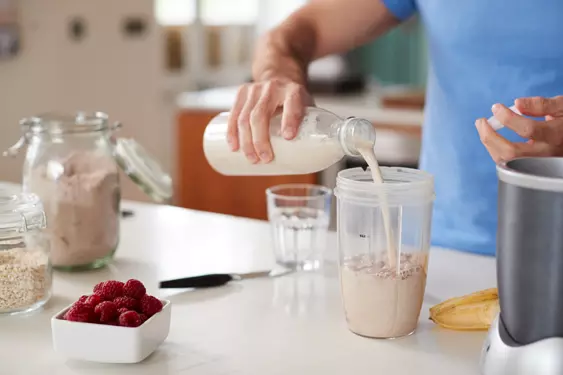
Leah: And we do a smoothie or a protein shake. You know, something that uses a good quality protein powder; whey protein powder, I think has the most muscle building kind of capabilities around it for those amino acids. Whey protein, some kind of fruit, usually frozen fruit. We live here in Minnesota, so we don't have fresh fruit necessarily all year round or easily accessible.
So the frozen fruit can be great. Round it out with a little bit of fat, canned coconut milk, a little heavy cream if you can do some dairy or some nut butters in there. Blend that all together; just talk about like nutrition bang for your buck there, especially when you can liquefy things, that liquid will go through the digestive tract a little bit easier.
You won't fill up quite as much. It'll go through a little faster. So when they’re kind of pre-digested, I tell that to clients like, smoothies are kind of pre-digested, so you actually have a better chance of absorbing some of those nutrients a little bit more if you have a gut that is kind of compromised already.
Britni: Yeah, that is a wonderful idea. And if you want specific recipes, we have a ton of them on our website, weightandwellness.com. It is time for our break and when we come back we are going to share some other kind of easy, simple ideas of of what to eat. We'll be right back.
-----
Welcome back to Dishing Up Nutrition. Before the break, we were starting to share some real examples of what to actually eat.
Leah: Mm-hmm.
Britni: And Leah, you mentioned smoothies. I think it's a great idea, like you said, really good bang for your bunk. Some other ideas, if you can tolerate dairy Greek yogurt, plain; you know, you can add some fruit if you'd like some crunch, add some nuts in there; cottage cheese as well. Very high protein.
Leah: Mm-hmm.
Britni: And again, it's easier to digest. So it's going to be easier to get a larger volume of that.
Leah: And I feel like there's a lot of recipes out there these days that mix cottage cheese into it for the protein. And again, dairy. It's just delicious.
Britni: Yeah. Can't go wrong. Yeah. So that's a great idea. You know, you might do better with like a soup or stew situation where things are a little bit softer, easier to digest that way, whereas like a big green salad, that's going to be a little bit harder.
Those raw vegetables take longer to eat. You're probably going to fill up a little bit quicker in those situations. And it doesn't have to be complicated. You could do like a bowl situation with some roasted veggies, some cooked meat over beans or quinoa or something like that.
Leah: Yeah, the ground meats or shredded meats, again, might just from, again, a predigestion perspective might be a little bit more helpful even initially as you're getting started on these medications or if you're dealing with a little bit more side effects. Shredded beef, shredded chicken, ground turkey, ground beef, something like that might just go a little bit better.
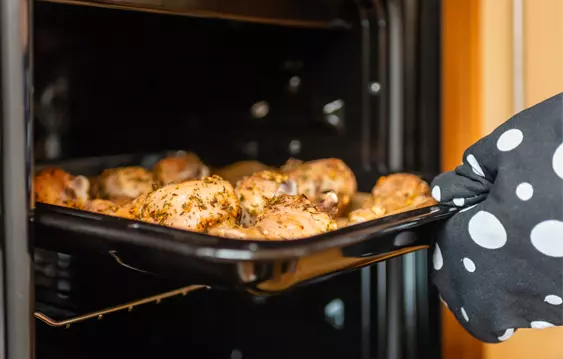
So I like the bowl idea. Because you can make a, like a burrito bowl type of thing. Or an egg roll in a bowl type of thing with some of that ground meat, a little bit of starch, some cooked veggies.
Britni: Yeah. And it's easy to throw together.
Leah: Easy and delicious. Yeah. So you might, again, you may need to eat smaller meals. You really may need to sit and chew thoroughly, intentionally, to help with that digestion. But staying consistent, it matters even because even if you're not necessarily hungry, your body still needs that fuel. Skipping meals, I almost liken this to, I had a lot of morning sickness in, in early pregnancy, so it's like I, even though I had nausea, it was way worse if I didn't eat than if I at least try to get something in.
So skipping meals can actually make some of those side effects feel worse and lower energy possibly again, like just not getting quite the same benefits or maximizing the benefits you want to get out of those medications. So it's like it err on the side of like just doing what you can to get some kind of nutrition.
GI side effects that can occur (& strategies for mitigating)
Britni: Absolutely. You know, talking about GI side effects, constipation, I think it's the most common side effect that I have seen.
Leah: Okay.
Britni: Probably all of my clients, I think that I can recall have struggled with constipation on these medications because the digestive system, it moves slower.
Leah: Yep.
Britni: So it makes sense. Hydration becomes really even more important in this situation because slow digestion plus low food intake, I mean, it just puts you at a higher risk of constipation.
Leah: Yep.
Britni: So making sure you're adequately hydrated. You know, half your body weight in ounces; probably max that at a hundred, 120 ounces.
Leah: Sure.
Britni: Spread throughout the day. That's important. Don't chug 40 ounces of water. You're not actually going to absorb it all.
Leah: Yep.
Britni: I think having a reusable water bottle, a big one is helpful for people.
Leah: Mm-hmm.
Britni: The less times you have to fill it up, I think the more likely you are to actually drink your water.
Leah: Yeah. Fair.
Britni: Yeah. You know, I think we've shared the rubber band method many times. How many whatever water vessel you have, put that many rubber bands on there, keeping track any anyway that works for you. Any other ways you have found helpful?
Leah: Yeah, those are great ideas and I mean, just even playing around with them just making sure that you like the things that you drink. So a good unsweetened tea, herbal teas, if you're a tea type of person. Even adding some electrolytes into water can help you make the, you know, use the most out of the water that you are drinking. Gives it a little flavor, makes it a little bit more interesting. Just look for those electrolytes that aren't using artificial sweeteners, like something with a little stevia or unflavored or a little monk fruit, that's fine. But that, those are just ways to kind make it a little more interesting.
Britni: Yeah, it’s a good idea. And the electrolytes, they might help your energy too in this scenario as well.
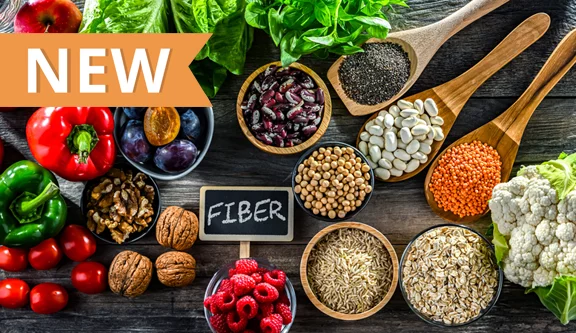
Leah: Yep. Yes, so staying hydrated, fiber, that's going to be essential. And I mean, we get fiber naturally through our vegetables. That's kind of the big one I think about, but fruits, nuts, seeds, like the fiber itself helps, helps keep things moving. And you know, if you are feeling more backed up or you have a little bit more of that extreme case of like bloating or just indigestion you, again, you may just have to meter those out a little bit more throughout the day versus like sitting down to a, a larger portion of yeah, beans or a lot of broccoli or cauliflower or something like that.
We carry a fiber supplement called Sun Fiber that I find I have a lot of clients that like that one because it dissolves really well in a liquid. You don't taste it, it's not gritty and it is a more gentle type of fiber. So we use that for clients who tend to have a little bit more sensitive tummies.
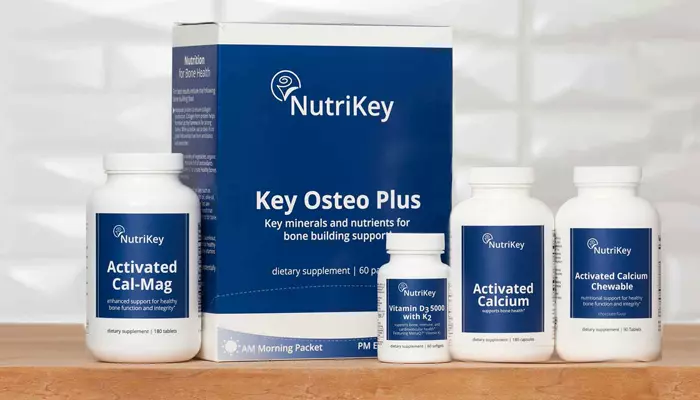
So something like that could be helpful. And then magnesium, we talked a little bit about magnesium, but the magnesium citrate in particular is helpful for constipation. So I love our Mixed Magnesium. I mean, a little biased I'm sure, but like that one, I think I've just seen such great results from that one. The Nutrikey Mixed Magnesium. Or if you go for a different magnesium supplement, something that has magnesium citrate is going to give you more of those bowel type of effects.
And just move, get up, move your digest. Like literally move your digestive tract every single day. Get up, go for a walk, especially after meals. That would be a great time to just get up and get some of that movement. Your digestion is working hard already, so like, let's, let's give it a little hand by going for five, 10 minute, 15 minute. Whatever you can figure out to do, go for that walk or just get some activity and go up and down the stairs. Take a lap around your building, whatever the case may be.
What can be done to combat fatigue that can occur from being on a GLP-1 med? (& nutritional deficiencies to be mindful of!)
Britni: Good ideas. You know, what about the fatigue part? I think that that's common as well while taking one of these GLP-one medications and it's, you know, in reality it's often a sign you're just not getting enough. You're not getting enough food. You may be becoming nutrient deficient. So again, focusing on getting enough food. You should be getting three meals a day. In this case, probably four if you're eating smaller portions when you are eating.
Leah: Mm-hmm.
Britni: And fatigue. It could be partially contributed by low iron, especially if you're eating less meat. So that's something I would recommend getting tested. Request an iron panel. Also request ferritin. That's an iron storage marker.
Leah: Mm-hmm.
Britni: Signs of low iron: shortness of breath, lightheaded, pale. You can have sleep disruptions. The fatigue is a big one. And I would say this is even more likely to happen if you are a woman that is still menstruating.
Leah: Yes. A hundred percent.
Britni: So that's something to keep in there. And then we always, you don't want to take iron willy-nilly.
Leah: Mm-hmm.
Britni: Taking too much is actually a bad thing. So get it tested and then figure out if you need to supplement or not.
Leah: Yep. Great advice. Ideally, we want to get nutrients from food first, but some key supplements, they're helpful to fill in those nutrient gaps, especially when the appetite is low.
So iron one great example of that. I would say a, a good multivitamin that has methylated B vitamins would be great. I know a lot of my clients actually feel that little bit of energy boost when we get some of those methylated B vitamins on board are Twice Per Day; the Nutrikey Twice Per Day would be one example of that.
We've got a couple others. There are others out on the market too, but something that you can think about too is, doing like a liquid multivitamin that has those methylated Bs and pour that into your protein shake if you're doing something like that, or if you're doing a chewable, you know, sometimes even some of those alternate transportation forms from bottle to your mouth might be helpful. So yeah. Like, those methylated Bs, the, we talked about the magnesium, iron, just all of these things would be just some things to think about.
Britni: Here's some other interesting information on this topic. So there is a review published in the Journal of Clinical Obesity from February of this year, and they evaluated research from 2019 to 2025 on nutritional implications of taking GLP-one medications. And they found that the most common nutritional deficiency among the study participants was vitamin D.
Leah: Mm-hmm.
Britni: We're always promoting vitamin D, and this is just another example why, I mean, vitamin D, it impacts everything in our body.
Leah: Yep.
Britni: And other common potential deficiencies. It, we mentioned iron, the B vitamins, minerals in general.
Leah: Yeah.
Britni: Because if you're not getting adequate food, of course you're just not going to get adequate vitamins and minerals.
Leah: Mm-hmm.
Strategies to combat common loss of muscle & bone while on a GLP-1 medication
Britni: And overall protein was correlated to muscle loss, bone connective tissue. So we talked a bit about the risk of muscle loss, but other lean tissue is also at risk like bones. And we know that combo of muscle and bone loss, it leads to an increased risk of falls, fractures, eventual loss of independence. And the last thing we want to do as we age, especially as women, is put our bones more at risk.
Leah: Yep, a hundred percent. So this is one of those situations where seeing a dietitian, I mean, it should be, I would say, an essential part of, of starting on one of these medications, or at least part of the conversation as someone is considering doing one of these GLP-one medications, just so that we can cross our, cross our t's, dot our i's, and we, again, we want to have that overall health.
We want to have that quality of life, mitigate the long-term side effects, like just take all of that into consideration, in addition to, again, most people's main goal is like, let's get some of this extra weight off. We really want to make sure your nutrition is solid so you don't see some of those deficiencies crop up down the road or that we have, again, a long-term consequence on some of, some of those health markers or just that overall quality of life. You're doing this for a reason. You want your life to be in a better place.
Britni: Yeah, absolutely. And you know, these, the reality is these GLP-one medications, they can be a helpful tool, but you know, it's not the whole picture. To, to really have the great health that I think everybody wants, it needs to include in addition to the medication, all of these things that we've talked about today.
Because yes, they reduce your appetite, but like we said, they do not reduce your nutritional needs. And at the end of the day, your body is still going to need nourishment. You still need proper fuel from a balance of protein, healthy fats, real food carbohydrates, consistently throughout the day to feel your best and maintain that long-term health that we want. So that means preserving muscles, supporting energy, and just nourishing your body.
Leah: And when you support your metabolism and your nutrient needs, you feel better overall. We want, we want to support your weight loss journey in a way that you still feel good during the process.
Britni: Absolutely.
Leah: Mm-hmm.
Britni: That is always our goal. We want to thank you for joining us today. If you know anyone who would benefit from hearing this information, please share it with them. The best way you can support our podcast is through sharing it with others, and if you're looking for personalized support, working with a dietitian, like myself, or Leah, or any of the dietitians at Nutritional Weight & Wellness, we can help you navigate how to lose weight using a GLP-one medication in a way that truly supports your health, both long and short term and working with your lifestyle.
So to learn more about our counseling and see if you are in network to be covered through insurance, visit our website weightandwellness.com, or you can always give us a call, 651-699-3438.
We would be happy to help you answer any of your questions and get you the help that you need. Our goal as always at Nutritional Weight & Wellness is to help each and every person experience better health through eating real food. It's a simple, yet powerful message. Thank you so much for listening today and enjoy the rest of your day.
Share this Podcast
Upcoming Podcast Episodes:
July 27: Recurring UTIs in Women: What a Dietitian Can Help You Learn
August 3: Talking Kids Nutrition with Captain & Cat