If you’ve been told you might have “leaky gut” and you’re wondering where L-glutamine fits in, you’re not alone. Many of our clients come to us after years of bloating, food reactions, skin issues, brain fog, or chronic fatigue, and we often find that supporting the gut lining is a key part of their healing plan.
One of our favorite tools in that process? L-glutamine, an amino acid that helps nourish the cells lining your intestinal tract and supports the gut barrier so it can do its job.

Gut Health and What Is “Leaky Gut” Anyway?
You can think of your gut as the foundation of your health. When the gut is inflamed or out of balance, it can show up in many different ways throughout the body — digestive problems, skin issues, hair changes, chronic fatigue, brain fog, or even joint pain.
You can think of the lining of your gut like a coffee filter. It’s meant to be a protective barrier — letting beneficial nutrients pass through into your bloodstream, while keeping larger particles contained to the digestive tract.
When you develop what’s commonly called “leaky gut,” that filter isn’t working as well as it should. Instead of staying tightly sealed, the lining becomes more permeable. The tiny spaces between the cells loosen, and substances that normally wouldn’t get through — like partially digested food particles, toxins, bacteria, and yeast — can get into the bloodstream.
Your immune system then recognizes them as a foreign invader, causing an inflammatory response. That inflammatory response can contribute to inflammation throughout the body.
Leaky gut and gut permeability can be explained as where:
-
The intestinal wall is inflamed
-
The balance of the gut microbiota (beneficial vs potentially harmful bacteria) is off
-
The intestinal lining isn’t absorbing nutrients well
-
The intestinal barrier isn’t as protective as it should be, which can lead to more systemic inflammation and immune activation
Clues that something may be off in your gut include chronic bloating, constipation, diarrhea, reflux, or a diagnosis like ulcerative colitis, Crohn’s disease, or SIBO. These conditions need medical care, but they’re also red flags that your gut may need some focused nutrition support.
Gut problems often show up long before there’s an obvious diagnosis: poor nutrient absorption, inflammation, and an overworked immune system can all show up in your skin, hair, and energy. So if you feel like you’re “falling apart” in multiple areas at once, it’s often not a coincidence—it’s a gut health story underneath.
Common Factors That Can Contribute to a Leaky Gut
Some of the most common factors we see contributing to leaky gut include:
-
Frequent or repeated antibiotic use
-
Low levels of beneficial gut bacteria / gut dysbiosis
-
Diet high in ultra-processed foods
-
High intake of added sugar
-
Regular alcohol intake
-
Gluten (and for some people, dairy)
-
Food additives such as artificial sweeteners, sugar alcohols, and certain gums/emulsifiers
-
Frequent antacid use / low stomach acid
-
Regular use of NSAIDs (like ibuprofen)
-
Chronic stress
-
Past or ongoing trauma
-
Yo-yo or highly restrictive dieting patterns
-
Long-term diet high in processed foods
-
Gut infections or overgrowths (for example, SIBO or pathogen overgrowth on stool testing)
Gut Permeability and Why the Gut Barrier Matters
A healthy gut barrier is made up of closely connected intestinal cells that form a selective wall: letting nutrients in, while keeping harmful substances and larger undigested food particles out of the bloodstream. When that barrier is inflamed or compromised, you can end up with increased gut permeability (leaky gut), which can drive inflammation, stress the immune system, and affect many other symptoms throughout the body.
We see this in practice when clients with gut issues also report:
-
Skin rashes or acne
-
Hair thinning or shedding
-
Brain fog
-
Chronic fatigue
-
Food sensitivities
All of those can be downstream effects of a stressed gut and a struggling intestinal barrier.
The gut is a major hub for your immune system—roughly 70–80% of immune activity is connected to the gut environment. When the barrier is leaky, your immune cells see more “noise” and potential triggers. When the barrier is repaired and the microbiome is supported, that same immune system can calm down and do its job more efficiently. That’s why gut repair often improves both digestion and overall resilience to illness.
L-Glutamine: Fuel for the Gut Lining
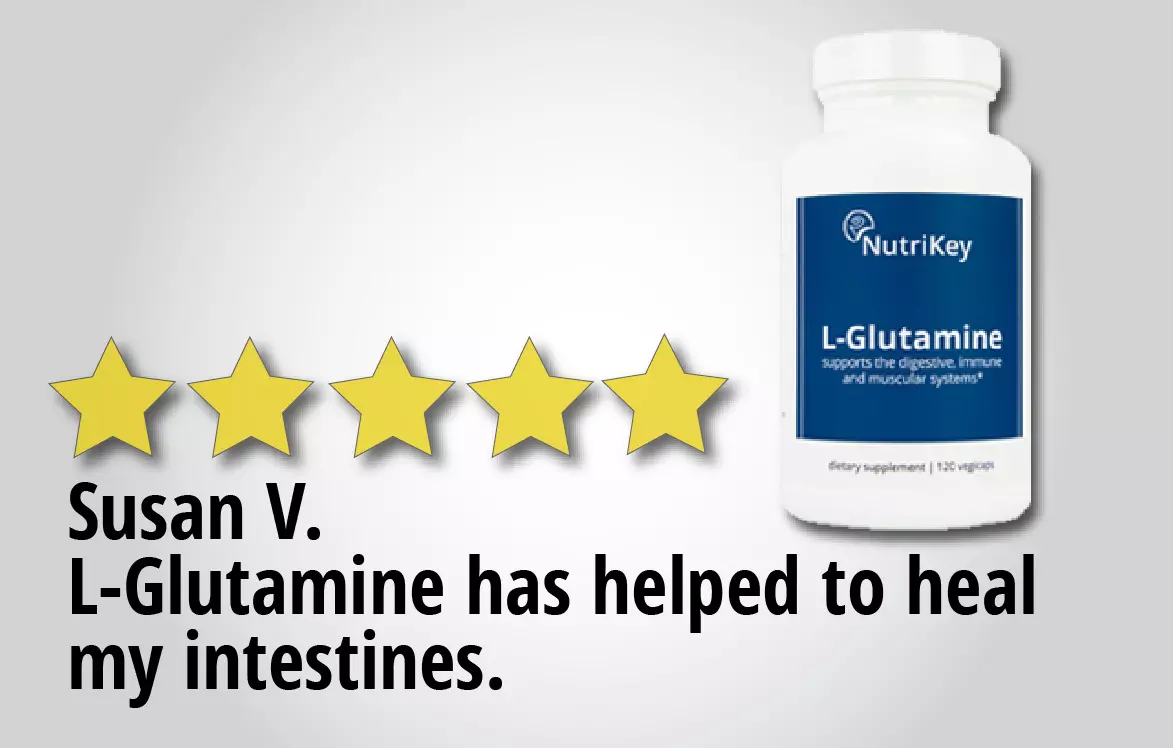
L-glutamine is a key amino acid for gut repair:
-
L-glutamine is “like fuel for your intestinal cells.” It helps repair cells that are a little damaged and strengthens the connections between each intestinal cell.
-
That’s one of the ways glutamine supports the gut barrier and can be helpful in cases of leaky gut and inflammation.
-
It’s also supportive for wound healing and even for sugar cravings, which tells you how broadly it impacts tissue repair and brain function related to cravings.
Glutamine is grouped with nonessential amino acids that your body can usually make, but it becomes conditionally essential under stress—after surgery, intense exercise, or illness, when your needs jump and dietary or glutamine supplementation becomes more important.
So when we talk about gut repair, L-glutamine supplementation makes sense because:
-
The cells lining your gut use L-glutamine as a preferred fuel
-
It helps maintain gut barrier integrity by supporting those “tight” connections (tight junctions) between cells
-
It supports both digestive and immune function since a large portion of the immune system resides in the gut
We also lean on L-glutamine’s “calming” effect for some clients: glutamine can contribute to the production of GABA, a calming neurotransmitter, which can help you feel more even-keeled and less driven toward stress eating—especially in seasons like the holidays when sugar and cravings are everywhere. That doesn’t make L-glutamine a mood supplement, but it’s one more reason it shows up in our practical toolkit.
Food Sources First: Glutamine from Real Food
Our philosophy is always “food first,” and that applies here too. Whole-food proteins give you not only amino acids but also vitamins, minerals, and other essential nutrients you won’t get from a single supplement.
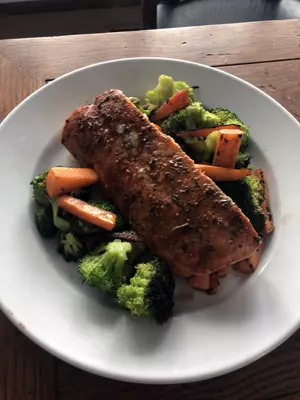
You’ll naturally get L-glutamine and other amino acids when you eat:
-
Animal proteins like beef, chicken, fish, eggs, and high-quality protein powders
-
Bone broth, which provides collagen and L-glutamine that support the cells of the intestinal lining, calm gut inflammation, and help repair a compromised gut barrier (leaky gut).
Bone broth is a gentle way to add more L-glutamine for digestive health: sipping it, using it in soups, or cooking with it regularly can help heal the gut lining while also supporting joints, skin, and even sleep.
Some simple, real-life ways we encourage clients to get more food-based glutamine in:
-
Swapping water for bone broth in soups, stews, or cooking grains
-
Having a mug of warm bone broth as an afternoon snack instead of a sugary pick-me-up
-
Building meals around 4–6 ounces of protein (for most women) alongside veggies, natural fats, and a bit of starch to keep blood sugar steady and cravings calmer
So before jumping straight to glutamine supplements, we typically look at whether someone is getting enough complete protein and whether they could layer in healing foods like bone broth as part of a broader gut health plan.
When Glutamine Supplements May Help
That said, there are times when glutamine supplements are a really useful tool.
-
Glutamine support for the gut barrier “can be helpful in cases of leaky gut and inflammation,” and about five grams per day is a therapeutic amount that may aid in repairing leaky gut.
-
A powder or capsule that can be layered on top of your protein intake when someone has leaky gut, low immune function, or needs more targeted support.
-
L-glutamine is one of several healing supports (alongside zinc, omega-3 fats, collagen, and probiotics) that can help repair the intestinal lining and rebalance the microbiome.
We also must emphasize: supplements are situational. They’re meant to bridge gaps and support healing for a season, not replace real food long term.
Practically, that means we’re asking questions like:
-
Are we using L-glutamine to help a short, defined season of gut repair?
-
Have we already built in the food foundations that make glutamine actually useful (protein, bone broth, anti-inflammatory meals)?
-
Are there other gaps—like low stomach acid, missing digestive enzymes, or lack of probiotics—that need to be addressed alongside glutamine supplementation?
How L-Glutamine Fits Into a Gut-Healing Plan
Rather than thinking of L-glutamine and leaky gut as a quick fix, we treat it as one piece of a whole plan to reduce gut permeability and calm inflammation.
The basics of that gut-healing plan usually include:
- Remove common irritants
-
Ultra-processed foods
-
Added sugar and alcohol
-
For many clients, gluten and sometimes dairy
This plan reduces ongoing damage to the intestinal barrier so gut repair can actually happen.
Prioritize protein at meals and snacks
-
This ensures a steady supply of amino acids, including L-glutamine, to support intestinal cells, immune health, and tissue repair.
Add healing foods that support the gut barrier
-
Bone broth for collagen and L-glutamine
-
Colorful vegetables and fruits for fiber and antioxidants that feed the gut microbiota
-
Healthy fats (olive oil, avocado, nuts, seeds) to calm inflammation
Targeted supplements as needed
Depending on the person, this might include:
-
L-glutamine supplementation for gut repair and gut barrier integrity
-
Probiotics to rebalance the gut microbiome
-
Digestive enzymes if low stomach acid or poor digestion is part of the picture
Within that plan, taking L-glutamine can be one of the more direct ways to feed the intestinal cells, support intestinal barrier function, and gradually improve digestive and immune systems together.
We also need to emphasize how stress impacts your gut: ongoing stress affects the gut microbiome and gut lining and can stall healing, even if the perfect supplement stack is in place. Supporting sleep, nervous system regulation, and realistic rhythms around food (not skipping meals, not living on coffee) are quietly powerful “gut-healing tools” too.
What About IBS, Inflammatory Bowel Disease (IBD), and Other Gut Disorders?
We do see clients who come in with a variety of gut disorders—everything from chronic bloating to diagnoses like ulcerative colitis or Crohn’s disease, which are forms of inflammatory bowel disease, and “irritable bowel–type” symptoms.
Our consistent message is:
-
These conditions are complex and we encourage you to work with your medical provider.
-
Nutrition can be a powerful part of the plan—especially focusing on gut barrier support, nutrient absorption, and calming inflammation,
In that context, L-glutamine supplementation may be one supportive tool, but we would always recommend working one-on-one with a dietitian to figure out:
-
If L-glutamine is appropriate for you
-
What dose of oral glutamine supplementation makes sense in your situation
-
How to pair it with a realistic food plan
For IBS specifically, we often talk about gently rebuilding the diet, identifying personal triggers, and sometimes layering in prebiotic fibers that are better tolerated. Glutamine might be a piece of that puzzle, but it always sits within a bigger strategy that considers bloating, bowel habits, and what you can actually stick with day to day.

Signs Your Gut (and L-Glutamine) Might Need Attention
Symptoms and patterns that suggest your gut barrier might be compromised and that gut repair could be helpful:
You may notice things like:
-
Chronic bloating, gas, constipation, or diarrhea
-
Reflux or the need for frequent antacids
-
New or increasing food sensitivities
-
Skin rashes, acne, brittle nails
-
Brain fog or chronic fatigue
-
Hair thinning or shedding
-
Frequent colds or feeling like your immune system is “run down”
If these resonate, adding L-glutamine (from both food and potentially supplements) can be part of a strategy to:
-
Support intestinal cells with the “fuel” they need
-
Strengthen those cell-to-cell connections (tight junctions) in the intestinal barrier
-
Help your body absorb nutrients better and calm some of the downstream issues connected to increased gut permeability
Also watch for certain symptoms—like stubborn sugar cravings, “hangry” crashes between meals, or waking up at 3am—to blood sugar swings and stress on the body. In that context, glutamine’s role in sugar cravings and nervous-system support can be another gentle nudge in the right direction, alongside balanced meals, sleep, and hydration.
Putting It All Together
So, does L-glutamine help leaky gut? From our education and years of client work, yes. With the following context:
-
Real food sources of L-glutamine (especially protein and bone broth)
-
Targeted glutamine supplementation (around five grams per day in many leaky gut scenarios)
-
A full gut health plan that removes irritants, focuses on anti-inflammatory real food, and uses additional tools like probiotics and digestive enzymes when needed
If you’re curious about whether taking L-glutamine fits into your healing, the next best step is usually to sit down with a dietitian. Together you can:
-
Look at your current dietary supplements
-
Assess your protein intake and amino acid needs
-
Decide if L-glutamine supplementation is appropriate for your specific symptoms and health history
That way, you’re not just grabbing a supplement off the shelf—you’re using L-glutamine intentionally to support your gut lining, your immune health, and your overall healing in a way that actually fits your life.
More Resources on Gut Health:
Share This Article