Tis' the season to be confronted with plates of holiday cookies.
Holiday cookies often bring joy and nostalgia, but they can also be loaded with ingredients that may not align with your health goals. Understanding what goes into these treats can empower you to make better choices or create your own versions that satisfy your sweet tooth without compromising nutrition.
We looked at some common store-bought cookies and homemade versions with Leah Kleinschrodt, a Nutritional Weight & Wellness dietitian. Many ingredients stood out to her as immediate warning signs, while others were a welcome addition.
Let's dig into Leah's observations and see which way the cookie crumbles:
Ingredients on the "worst" list to be cautious of when choosing your holiday cookies:
-
Artificial Colors – You've likely seen these ready to bake cookies available for every holiday season. The artificial colors—specifically Yellow 5, Blue 1, Red 40, and Yellow 6—were the first to catch Leah's attention. She explains, “When I see a list of artificial colors, my immediate concern is that synthetic dyes have been linked to allergic reactions, exacerbation of asthma, and behavioral problems in children, whether or not they have ADD or ADHD.” No thanks—holidays are already hectic enough without adding these risks.
What are food dyes used for, and where do they come from? Companies often use synthetic food coloring because it is cheaper, more stable, and brighter than most natural colors. Many of these dyes are petroleum-derived, and some of the most commonly used ones in the U.S.—Red 40, Yellow 5, and Yellow 6, which make up 90% of food dyes—contain benzidine, a chemical carcinogen not found in nature.
-
Refined Oils – Partially hydrogenated soybean and cottonseed oils are major red flags, commonly found not only in ready-to-bake cookies but also in many homemade recipes using margarine or Crisco.
According to Leah, “These man-made fats are harmful to our cells and brains, leading to inflammation throughout the body that manifests differently for everyone. For me, inflammation shows up as knee pain, but many clients experience digestive distress, back aches, brain fog, and a variety of other symptoms.”
She adds, “During the busy holiday season, you need a healthy body and a clear mind to keep up with your to-do list—not aches and brain fog.”
-
Processed Sugars – You probably expected to see this on the list of ingredients and for good reason. Take this holiday Oreo cookie for example, two cookies comes in at a whopping 13 grams of sugar (and that's if you stop at two cookies). Keep in mind, that 13 grams (3 /14 teaspoons) is from added sugar only, to which you also need to take in account that the cookie carbohydrates also turn into sugar in your body. That's another 5 ¼ teaspoon of sugar, yikes!
While we can't calculate how much sugar is in your homemade cookies, it's likely just as much, potentially more. Think of the different types of sugar you remember from past recipes, one recipe could contain white sugar, brown sugar, flour (turns into sugar), molasses and a Hershey kiss to (literally) top it all off.Processed sugars not only contribute to excess calorie intake but can also lead to rapid spikes in blood glucose levels, which may affect energy and mood. Consuming high amounts of added sugars regularly has been linked to increased risks of obesity, type 2 diabetes, and heart disease. It's important to be mindful of the total sugar content in your cookies, especially during the holiday season when treats are abundant.
-
Gluten-Free Label – You have to go back to the basics and look at what they've used to make the cookies gluten free. Maybe it's not flour, but it's potato starch or rice flour that's still a refined carb that will spike the blood sugar. And remember Leah cautions, “Gluten free doesn't mean sugar-free!” Gluten-free doesn't mean healthy. You still want to take the time and look at the ingredients.
Many gluten-free products rely on starches and refined flours such as tapioca starch, potato starch, or rice flour to replace wheat flour. While these ingredients help avoid gluten, they often lack fiber and essential nutrients found in whole grains. This can lead to rapid blood sugar spikes similar to those caused by regular refined flour. Additionally, some gluten-free cookies may contain higher amounts of sugar or unhealthy fats to compensate for texture and flavor, which can diminish their nutritional value.
It's important to read labels carefully and consider the overall ingredient list rather than assuming gluten-free automatically means healthier.
Remember, the goal is to find or make cookies that are not only gluten-free but also support your health goals by minimizing added sugars and refined carbohydrates.
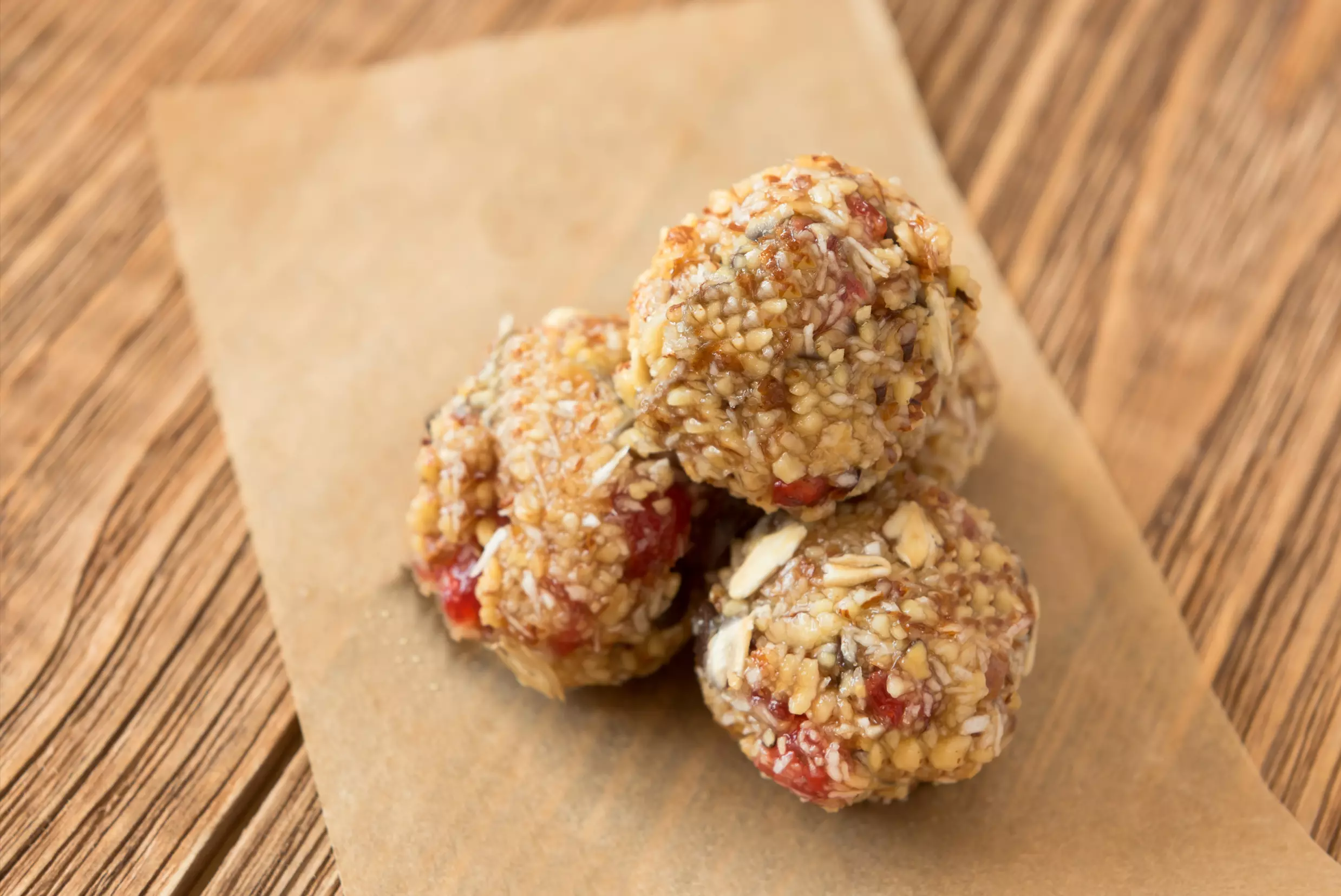
Can there be cookies that are good for you?
While a cookie will never be "good for you" in the way that veggies and fruit are; you can make “upgrades”, as Leah calls them, to improve the nutrition and reduce the number of harmful ingredients you consume. You won't necessarily get a "healthy" cookie, but you can get a better or best option.
The "better" and "best" list to look for when choosing (or baking) your holiday cookies:
Reduce the amount of sugar in the recipe.
-
Use less total sugar than a standard recipe. Most cookie recipes still work if you reduce the refined sugar by about 25% sometimes even 50%—your taste buds adjust faster than you think.
-
If you can't fully reduce the sugar, coconut sugar, honey and maple syrup are great alternatives to processed refined sugars. Also applesauce can often be used as a sugar substitute to help make your cookie recipe a bit more nutritious.
-
Skip “extra” sugar layers like candy mix-ins + frosting + sugar sanding on top.
-
Make recipes that incorporate nuts or seeds so each bite has some fat and maybe a little protein.
Build cookies around whole grains and/or ground nuts & seeds instead of mostly refined flour
-
Cookies made with coconut flour and/or almond flour are gluten-free options that offer more nutrients than white flour because they have more fat, which will help the cookie eaters feel more satisfied and less likely to eat the whole plate.
-
Be mindful that many whole wheat flours are nothing more than colored white flour. Be sure to look for 100% whole wheat flour.
-
Nut-based cookies provide healthy fats, protein, and antioxidants and help cookie eaters feel more satisfied, as well.
-
Remember that oats are still a grain-based carbohydrate, so they count as part of your carb portion, even if you’re using them in a more ‘upgraded’ cookie recipe. Oats can add additional nutrients and are a "better" ingredient choice than refined flour. But, like all simple carbs, use oats in balance with protein and fat.
Choose your fats carefully
-
When choosing almond butter or peanut butter, watch for added sugar and preservatives. Choose natural, sugar-free almond butter and peanut butter when possible. Mix a bit into your cookie dough to add protein and yummy flavor.
-
When choosing chocolate chips, choose dark chocolate chips over milk chocolate where possible. Dark chocolate contains flavanols, which are great for your heart and brain!
-
Coconut oil, avocado oil, and olive oil are better options that refined oils. Swap them where possible.
Be mindful of the mix ins
-
Try adding chopped nuts to your cookie recipe where it makes sense. Chopped walnuts, or macadamia nuts are a tasty addition to your chocolate chip cookies or peanut butter cookies.
-
Shredded coconut adds a healthy fat to your cookies.
-
Add flax seeds and chia seeds, where it makes sense.
-
Sub cacao nibs for traditional semi-sweet chocolate chips to improve the nutrition.
Control your environment
-
Make smaller cookies or pieces/
-
Don't keep leftover cookies on the counter. Put them in the freezer or stashed away to make it harder to nibble.
-
Hydrate before snacking. Have a drink of water before grabbing a cookie.
Some of our favorite cookie recipes:
Eat the Cookie … With These Tips in Mind
We're not total a total Scrooge when it comes to holiday fare. So if you are going to indulge, keep this in mind – make it count. Leah suggests thinking this through ahead of time. Would you be sad to miss out on Grandma's once a year brown sugar cookies? Than have one! Just don't make it a habit to think every holiday party means cookies are okay.
For more ideas on how to have a healthy holiday season, check out these resources.
- Listen: How to Balance Blood Sugar and Heart Health During the Holidays
- Read: What Our Nutritionists Do (and Recommend You Do) When Holiday Treat Season Comes
Resources:
Share This Article